

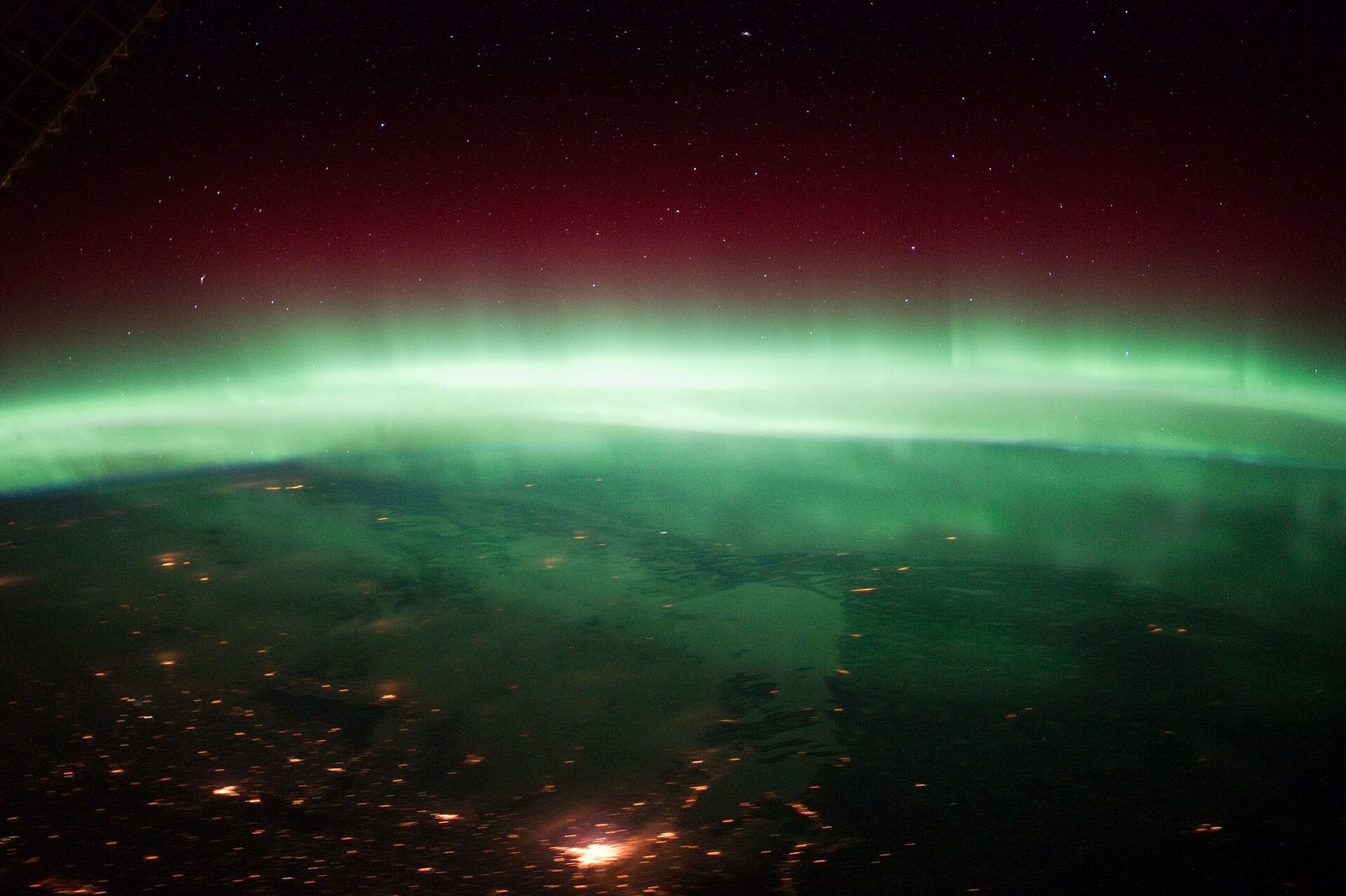
A popular online theory, popularized by Ben Davidson and his Suspicious Observers channel, says Earth suffers a civilization-ending catastrophe roughly every 12,000 years. In its typical telling, a solar “micronova” combines with a magnetic pole excursion, and the next one is close. Flood stories from cultures around the world are offered as memories of the last one. It is a gripping story. Here is how its parts hold up against the evidence.
Real: the magnetic north pole is moving
NOAA’s National Centers for Environmental Information reports that magnetic north was first precisely located in 1831. Since then it has drifted north-northwest more than 600 miles, and its speed has risen from about 10 miles a year to about 34. Navigation systems have to account for it, which is why the World Magnetic Model is updated regularly.
Real: the field has reversed many times
NASA says paleomagnetic records show the poles reversed 183 times in the last 83 million years. The gaps between reversals average about 300,000 years and vary widely, and the last full reversal was about 780,000 years ago. That is not a 12,000-year rhythm. NASA also says there is little scientific evidence linking the pole’s drift to climate change.
Real: solar storms can hit the grid
This is the part preppers should take seriously. NOAA’s Space Weather Prediction Center documents geomagnetic storm damage to power systems, including a nine-hour blackout in Canada and a transformer loss on March 13, 1989, and a blackout in Sweden in October 2003.
Not supported: solar storms causing earthquakes
The USGS says it has “never been demonstrated that there is a causal relationship between space weather and earthquakes.” Solar activity rises and falls on an 11-year cycle, and earthquakes show no such pattern. A USGS-authored study that tested sunspots, solar wind and geomagnetic activity against earthquake counts found no statistically significant link.
Not supported: the micronova and the fixed cycle
We found no peer-reviewed evidence that the Sun produces periodic “micronova” outbursts that scorch the Earth, or that catastrophes arrive every 12,000 years. Flood traditions are found in many cultures, and they are worth studying as history and literature. Many explanations fit them: local floods, rising seas at the end of the Ice Age, and shared stories among neighboring peoples. That variety does not add up to proof of one global cycle.
| Claim | Status |
|---|---|
| Magnetic north is drifting, and faster than before | Supported (NOAA) |
| The field has reversed many times | Supported (NASA) |
| Reversals follow a 12,000-year cycle | Not supported. They are irregular, averaging about 300,000 years. |
| Geomagnetic storms can damage power grids | Supported (NOAA SWPC) |
| Solar storms trigger earthquakes | Not supported (USGS) |
| A recurring solar “micronova” | No peer-reviewed support found |
What to actually prepare for
A major geomagnetic storm that takes down regional power is a real, documented risk. Prepare for it the same way you would for an ice storm: water, food, light, heat, medications and backup power. For straight daily space-weather reporting, NOAA’s SWPC and SpaceWeather.com are good places to start.
Sources
- NOAA NCEI, Wandering of the Geomagnetic Poles
- NASA, “Flip Flop: Why Variations in Earth’s Magnetic Field Aren’t Causing Today’s Climate Change”
- NOAA Space Weather Prediction Center, Electric Power Transmission
- USGS, Do solar flares or magnetic storms (space weather) cause earthquakes?
- USGS Publications, Insignificant solar-terrestrial triggering of earthquakes (2013)
- SpaceWeather.com
- Ready.gov, Power Outages
Featured image: ISS-30 Aurora Borealis above Manitoba, Canada, by NASA. Public domain, via Wikimedia Commons. See all image credits.