

Candid Dragon is an independent opinion site. We answer to no party or outlet, and we label our opinions as opinions. But a point of view is only worth something if it rests on facts the reader can check. This page is the rulebook we write against.
1. Facts first, opinion labeled
News explainers separate what is documented from what is argued. When we give our view, we say so plainly. When we report what officials, courts or agencies said, we link to the record so you can read it in full.
2. Our Labels: What the Icons Mean
Every outlet has a slant, and state media pushes agendas. Readers deserve to know what they are reading. So we label each story twice, once for how solid it is and once for how it is being told, and we hold every side to the same standard. A label judges how a story is reported, not whether we agree with it.
In our briefings, the labels sit on a tag line under each headline and beside each chatter-check claim, followed by a one-line Lean note that explains the call. A label key at the bottom of each labeled post links back here.
Source lean: who is telling it, and how
We pick the lean direction from the outlets and the framing. When a slant has no clear left or right direction, we use the closer label and say why in the Lean note. A partisan claim gets the same label whether it helps the left or the right, and state media gets it whether the state is a rival or an ally.
Confidence: how solid is it
Labels are our judgment, based on the sources we cite and link. When the facts change, we update the label and note the change.
3. Primary sources over spin
Whenever possible we link to the original: the statute, the court opinion, the agency statement, the archive transcript. Commentary from any side is useful, but it is never a substitute for the document itself.
4. No invented quotes, numbers or sources
If we cannot find it, we do not print it. Every quotation on this site is copied from a source we linked. Every statistic carries its source.
5. Corrections in the open
When we get something wrong, we fix it and note the change at the bottom of the post. We would rather be corrected than be comfortable.
6. Independence
We take no money from candidates or parties. This site does not publish personal details about private citizens, and it does not dox anyone.
These principles track the long-standing journalism norms in the Society of Professional Journalists’ Code of Ethics: seek truth and report it, minimize harm, act independently, and be accountable and transparent. You do not have to agree with our conclusions. You should always be able to check our work.
Label key
- ✅ Confirmed An official record, or two or more independent outlets, agree.
- ❓ Unconfirmed Reported or claimed, but not yet independently verified.
- ⚠️ Disputed Contradicted by the evidence or by credible sources, or actively contested.
 Factual Straight reporting that holds up across outlets on different sides.
 Leans Left The facts hold, but the coverage tilts left: one-sided, loaded language, missing context or a single anonymous source.
 Leans Right The facts hold, but the coverage tilts right: one-sided, loaded language, missing context or a single anonymous source.
 Likely Propaganda State-run or state-aligned media, a militant press office, a partisan campaign or group, or unverifiable spin.
Each story gets one confidence tag and one source-lean label, plus a one-line Lean note explaining the call. Every side is held to the same standard.
Sources
- Society of Professional Journalists, SPJ Code of Ethics
- National Archives, The Bill of Rights: A Transcription (First Amendment text)
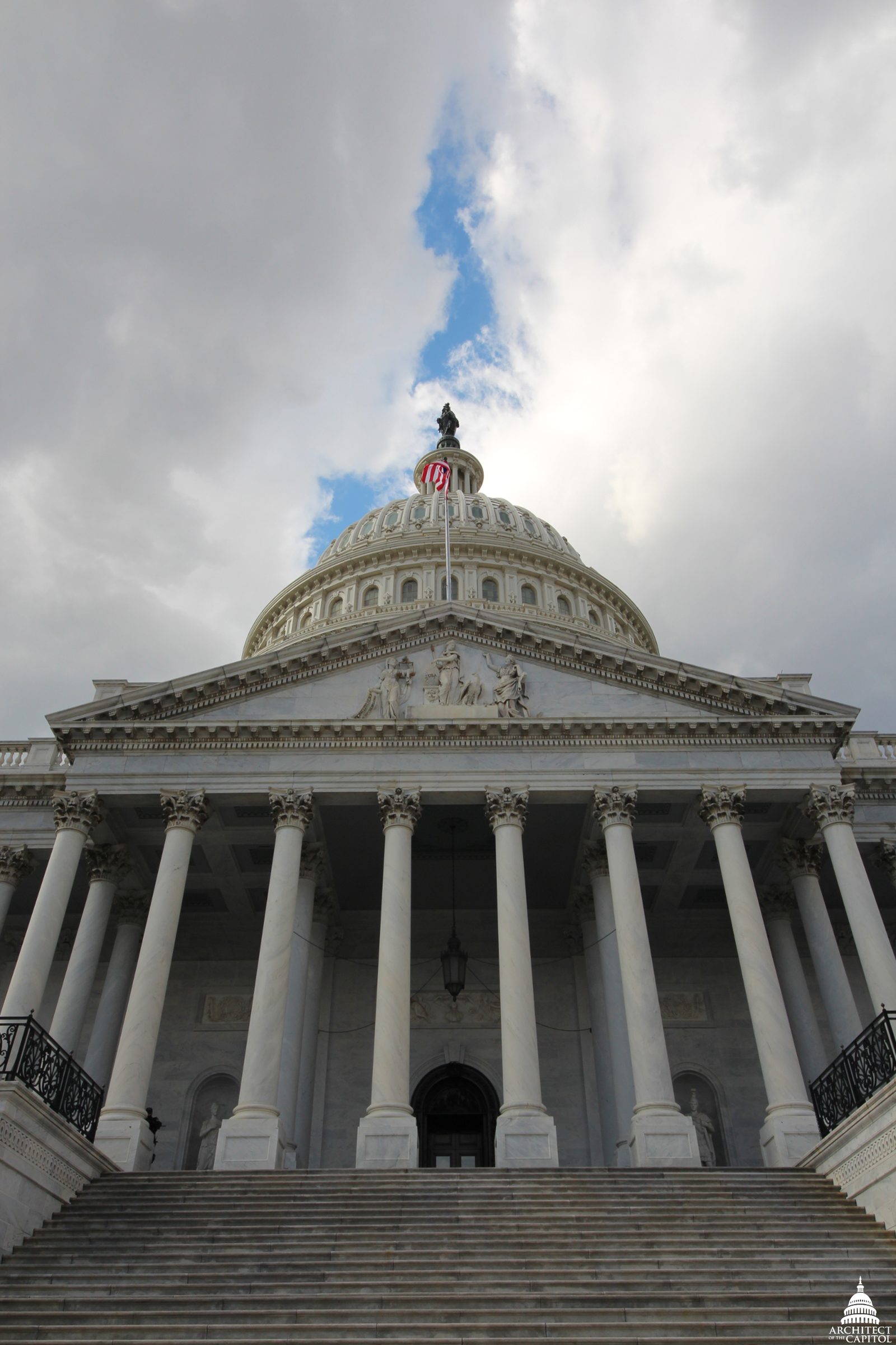
Featured image: Capitol Building Center with Freedom and the Dome (10821495235), by USCapitol. Public domain, via Wikimedia Commons. See all image credits.