

← Back to the timeline Ancient Worldc. 250 BC – AD 68
The Dead Sea Scrolls come up in nearly every conversation about the Bible’s reliability, lost books, and the Book of Enoch. Here is what the official record from the Israel Antiquities Authority (IAA) shows.
The discovery
In 1947, a young Bedouin shepherd searching for a stray animal near Qumran, on the northwestern shore of the Dead Sea, threw a stone into a cave and heard pottery break. Inside were clay jars, and in a few of them, old scrolls wrapped in linen. Seven scrolls from that first cave eventually came to Israel. Today they are housed in the Shrine of the Book, built in 1965.
Over the next nine years, ten more caves near Qumran yielded tens of thousands of fragments. Cave 4 alone held fragments of about 500 different scrolls. Altogether, the IAA counts more than 900 different texts.
What is in them
- Dates: from the third century BC to the first century AD, before the destruction of the Second Temple in AD 70
- Languages: mostly Hebrew, about 15% Aramaic, and several in Greek. Most are on parchment, some on papyrus, and one is engraved on copper.
- Biblical scrolls: about 230 manuscripts, including copies of every book of the Hebrew Bible except Esther
- Other writings: hymns, prayers, commentaries, calendars, apocalyptic works, and books such as Jubilees and Enoch that were previously known only in translation
What they show about the Bible’s text
The IAA says many biblical scrolls closely resemble the Masoretic Text, the standard Hebrew text used ever since, which is remarkable because they are over a thousand years older than the biblical manuscripts known before. Some show differences in spelling and wording, with additions and deletions that show scribes sometimes adjusted what they copied.
Evidence vs. hype
| Claim | What the record supports |
|---|---|
| The scrolls prove the Old Testament was copied faithfully | Strong support. Many closely match the later standard text, with real but mostly minor variants. |
| The scrolls contain lost books | Yes, including works previously known only in translation, and works not known at all |
| The scrolls prove a fixed “canon” existed at Qumran | No. The IAA says a closed canon emerged later. |
| The Essenes wrote all of them | Debated. The old consensus has been challenged, though many scholars still see an Essene link. |
| The scrolls mention Jesus | No such text has been identified among them |
Reported The last row reflects the absence of any such text in the IAA overview. Claims to the contrary have not been accepted by the scholars who published the scrolls.
Our view: The scrolls are a gift to anyone who wants to know whether the Bible we read is the Bible the ancients read. The answer is overwhelmingly yes, honestly qualified. You can view the scrolls yourself in the IAA’s free online library.
Related: The Book of Enoch and the Scripture and Apocrypha Quick Reference.
Sources
- Israel Antiquities Authority, Leon Levy Dead Sea Scrolls Digital Library: Introduction
- Israel Antiquities Authority, Leon Levy Dead Sea Scrolls Digital Library: Discovery and Publication
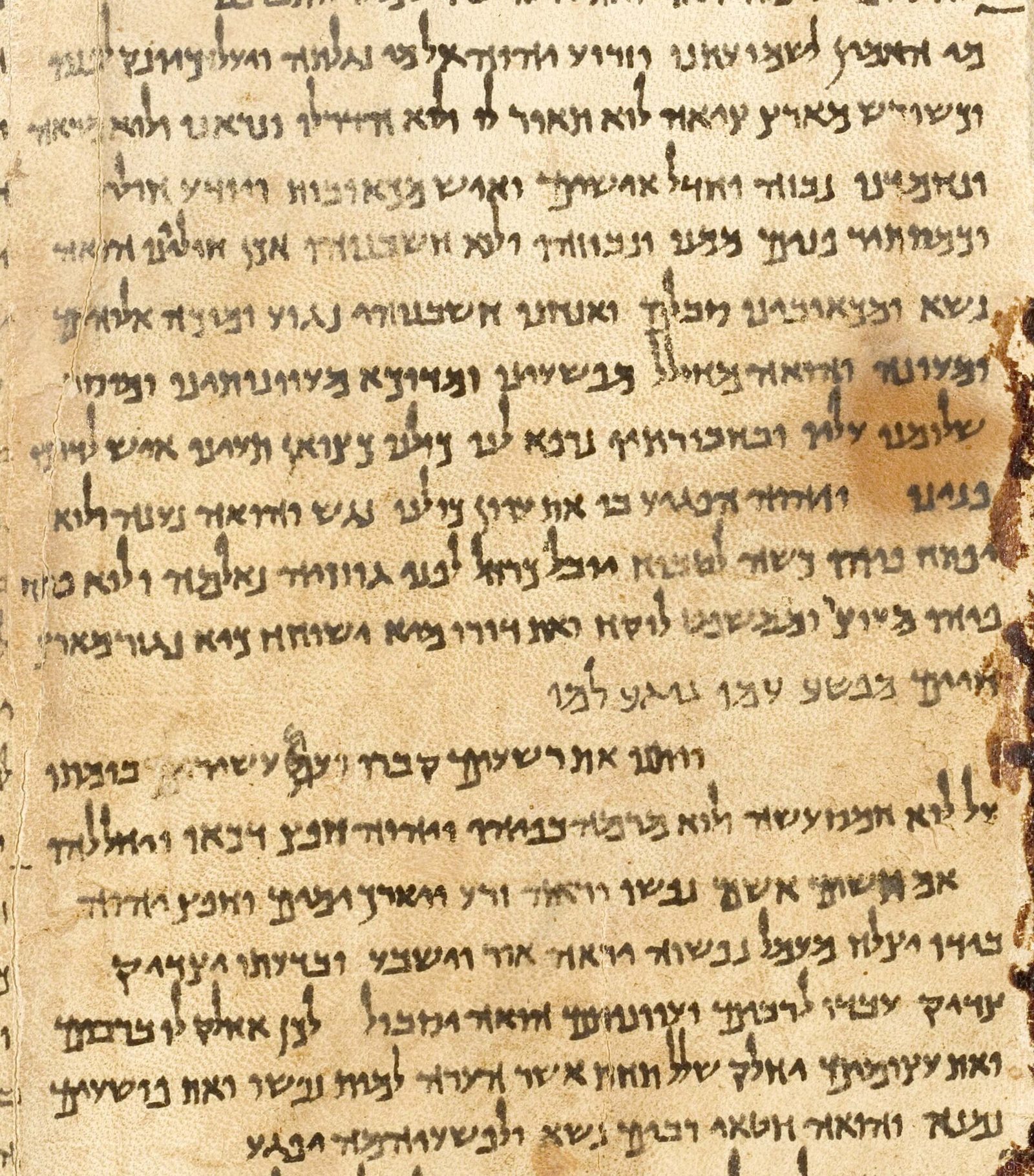
Featured image: Great Isaiah Scroll Ch53, by Ardon Bar Hama (photograph); original scribe unknown. Public domain, via Wikimedia Commons. See all image credits.