

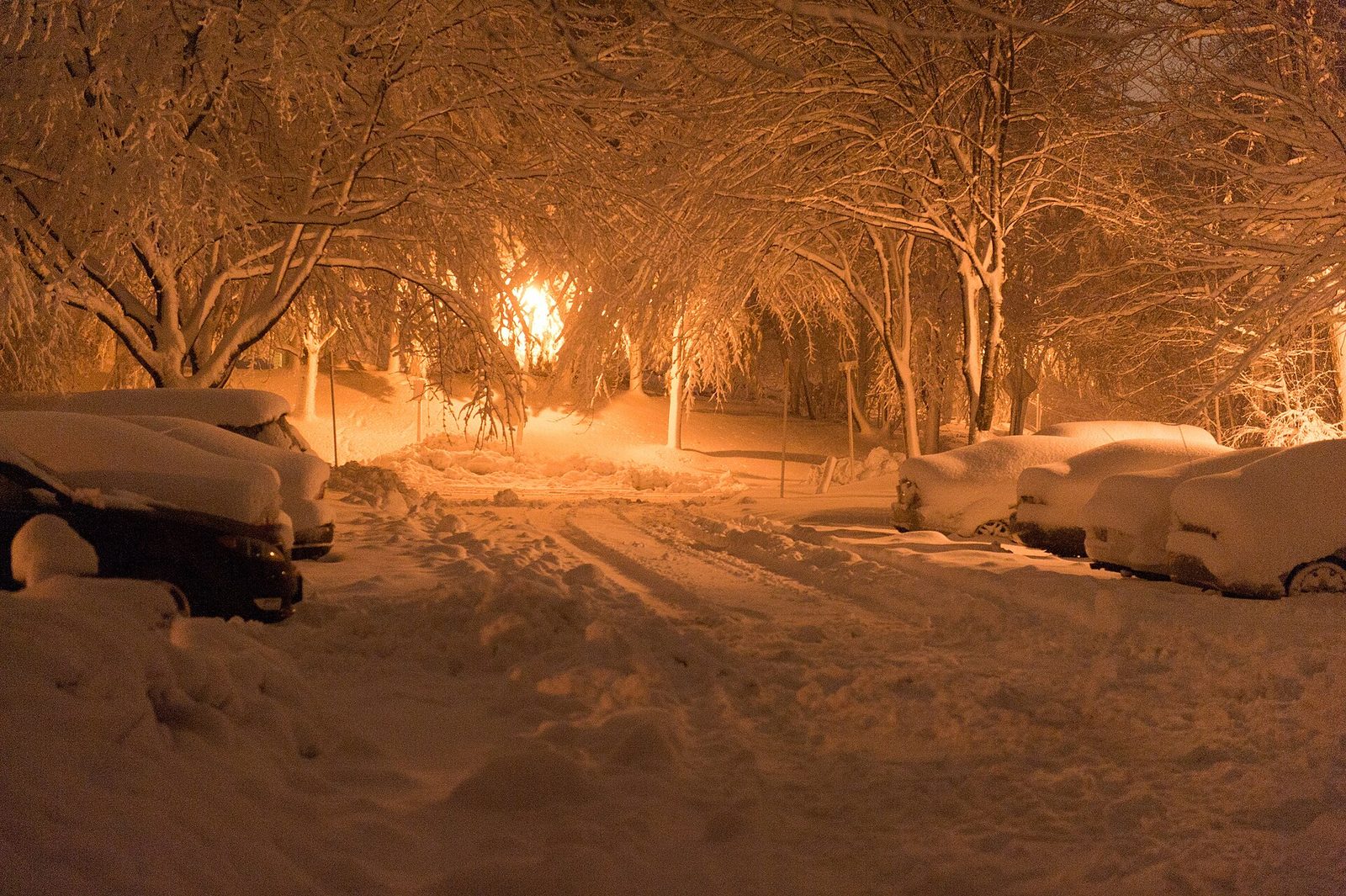
Winter storms do their damage quietly: a road you should not have driven, a generator run in the garage, a heart attack behind a snow shovel. Ready.gov lists the big risks plainly: car accidents, hypothermia, frostbite, carbon monoxide poisoning, and heart attacks from overexertion. Here is a plan before the first big storm.
Know the three terms
| Term | What it means | Typical lead time |
|---|---|---|
| Winter Storm Watch | A blizzard, heavy snow, heavy freezing rain or heavy sleet is possible | Usually 12 to 48 hours ahead |
| Winter Storm Warning | Hazardous winter weather is imminent or already happening | Usually 12 to 24 hours ahead |
| Winter Weather Advisory | Snow, freezing rain, drizzle or sleet that will cause significant inconvenience, and danger if you are careless | Varies |
If you are under a warning, find shelter right away.
Ready the house
- Insulate, caulk and weather-strip to keep the cold out
- Learn how to keep your pipes from freezing
- Test smoke alarms and carbon monoxide detectors, with battery backups
- Stock supplies to stay home for several days without power, including medications
- Keep extra batteries for radios and flashlights
- Plan for pets
- Get a NOAA Weather Radio, or sign up for local alerts
Ready the car
Ready.gov recommends a car kit with jumper cables, sand or cat litter for traction, a flashlight, warm clothes, blankets, bottled water and non-perishable snacks. Add flares or a reflective triangle, an ice scraper, a phone charger and a paper map.
- Keep the tank full. It also keeps the fuel line from freezing.
- Have a mechanic check the antifreeze, battery, brakes, heater, defroster, wipers and lights
- Turn off cruise control on icy or snowy roads
- If you are stranded, stay inside the car
During the storm
- Stay off the roads if you can.
- Run generators and grills outdoors only, at least 20 feet from windows, doors and attached garages. Never heat the house with a gas stove or oven.
- Dress in layers and limit your time outside.
- Pace yourself when shoveling. Overexertion causes heart attacks.
Frostbite and hypothermia
| Condition | Signs | What to do |
|---|---|---|
| Frostbite | Numbness, white or grayish-yellow skin, firm or waxy skin | Get to a warm room. Soak in warm water or use body heat. Do not massage or use a heating pad. |
| Hypothermia (below 95°F is an emergency) | Shivering, exhaustion, confusion, fumbling hands, memory loss, slurred speech, drowsiness | Get to a warm room. Warm the center of the body first (chest, neck, head, groin). Keep dry and wrapped in blankets. |
Bottom line: The best winter-storm gear is a full gas tank, a stocked pantry, and the good sense to stay home. Related: Power-outage plan and the Preparedness Checklists.
Sources
Featured image: FEMA – 45967 – Snow blankets a street and cars, by Aaron Skolnik. Public domain, via Wikimedia Commons. See all image credits.