

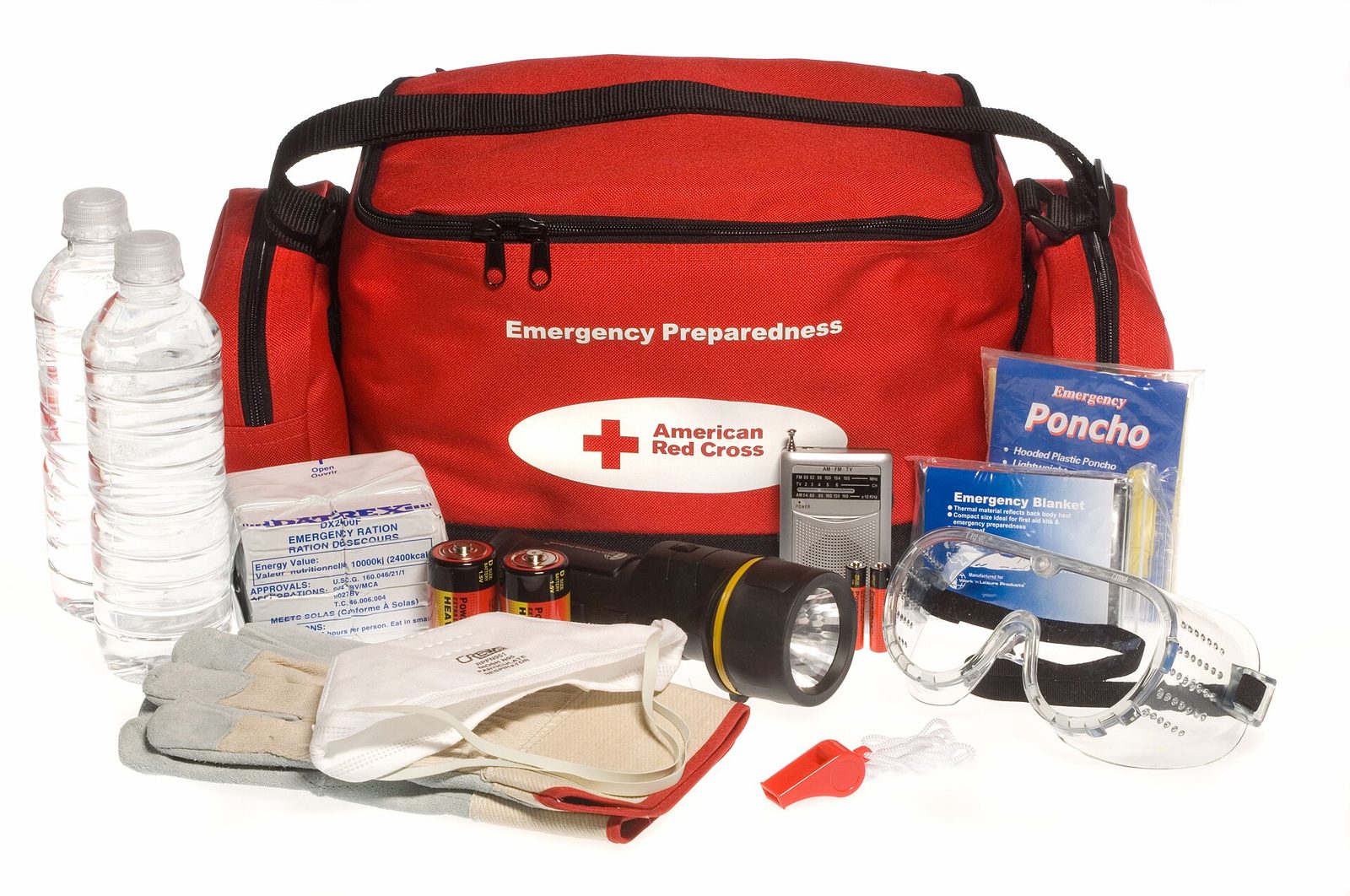
After a disaster you may be on your own for days. Ready.gov, FEMA’s preparedness site, puts it bluntly: being prepared means having your own food, water and other supplies to last for several days. The 72-hour kit is the starting line, not the finish.
Pack it in airtight bags inside one or two easy-to-carry containers, like a plastic bin or a duffel. Then make sure everyone in the house knows where it is.
The core kit (per Ready.gov)
- Water: one gallon per person per day, for several days, for drinking and sanitation
- Food: at least a several-day supply of non-perishable food
- Battery-powered or hand-crank radio, plus a NOAA Weather Radio with tone alert
- Flashlight and extra batteries
- First aid kit
- Whistle to signal for help
- Dust mask, plastic sheeting, scissors and duct tape (for sheltering in place)
- Moist towelettes, garbage bags and plastic ties (for sanitation)
- Wrench or pliers to turn off utilities
- Manual can opener
- Local paper maps
- Cell phone with chargers and a backup battery
The extras that matter
- Prescription medications and glasses, plus over-the-counter basics
- Cash in small bills. When the power is out, card readers and ATMs often are too.
- Copies of IDs, insurance policies and bank records in a waterproof container, or saved electronically
- A sleeping bag or warm blanket for each person
- A complete change of clothes and sturdy shoes
- Fire extinguisher, and matches in a waterproof container
- Hygiene and sanitation supplies
- Infant formula and diapers, if needed. Pet food and water for animals.
Three kits, not one
Ready.gov recommends kits for home, work and car. Be ready to shelter at work for at least 24 hours, and keep a “grab and go” case with comfortable walking shoes. The car kit is what gets you home.
Maintain it
Keep canned food cool and dry. Store boxed food in sealed containers. Replace expired items, and review the whole kit once a year as your family’s needs change.
Field tip: Put a reminder on the calendar for the day the clocks change. Twice a year, rotate food and water, test batteries, and update your documents.
Sources
Featured image: FEMA – 37174 – Emergency Preparedness “ready to go” kit., by American Red Cross / FEMA. Public domain, via Wikimedia Commons. See all image credits.
Related on Candid Dragon
- Water Storage Basics: How Much, How to Store It, How to Make It Safe
- Kit or Christmas? How to Prep on a Tight Budget This Season
- “Black Sky”: What a Nationwide Blackout Would Look Like, and the Lessons From Spain and Britain
- COVID-19: What We Know, What Is Still Disputed, and What We Should Learn (includes lessons for preppers)