

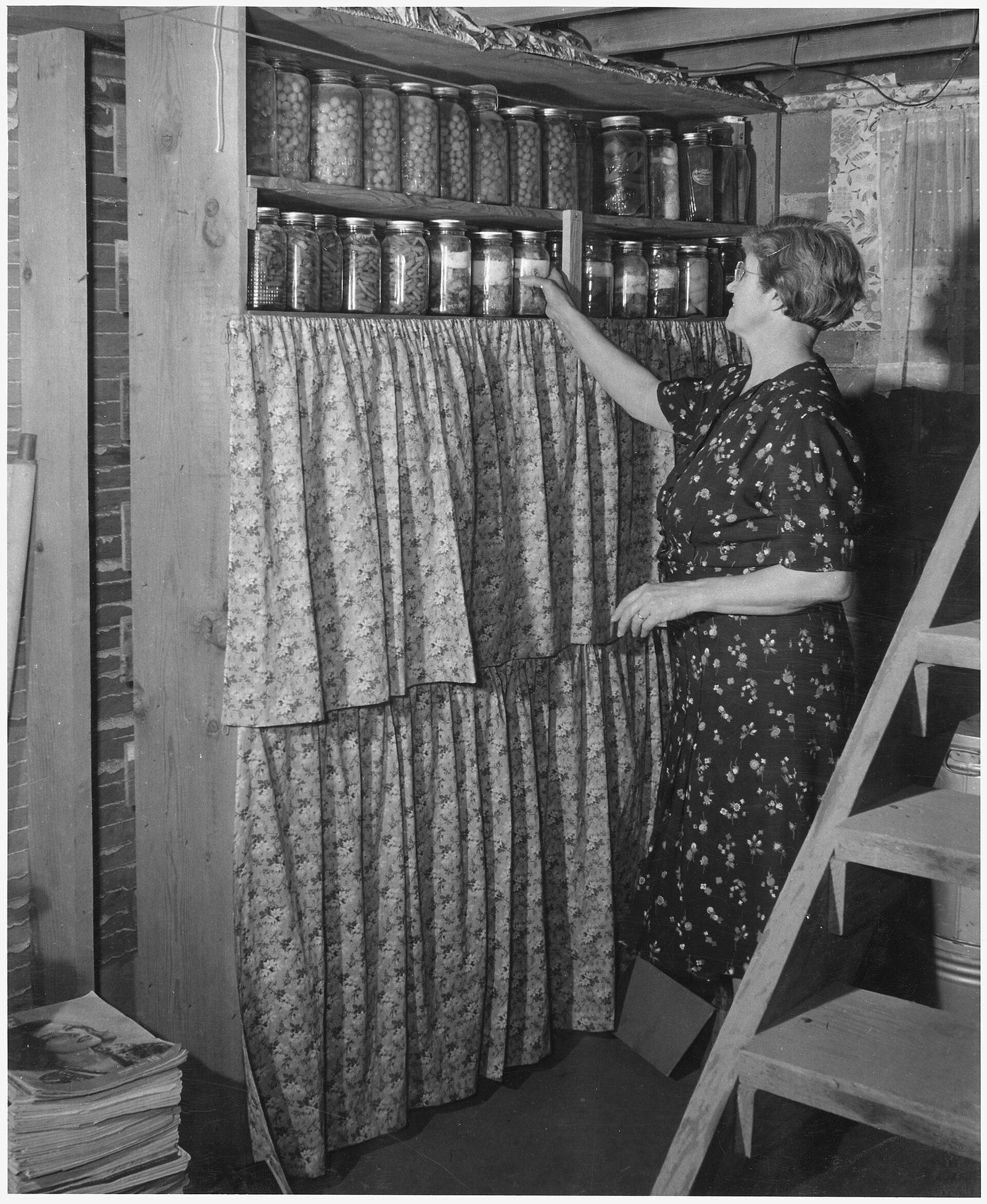
A deep pantry is the most practical insurance policy a family can own. It covers storms, layoffs, supply-chain hiccups and the week everybody is sick. Here is how to build one that actually gets used.
Rule one: store what you eat
Ready.gov advises choosing foods your family will actually eat and planning for any special diets. Good starting items need no refrigeration, cooking, water or special preparation:
- Ready-to-eat canned meats, fruits and vegetables (and a manual can opener)
- Protein or fruit bars, dry cereal or granola
- Peanut butter and dried fruit
- Canned juices and shelf-stable pasteurized milk
- High-energy foods, food for infants, and comfort foods
Rotate: first in, first out
Put new purchases behind older stock and use the oldest first. Inspect cans. Ready.gov warns never to eat from cans that are swollen, dented or corroded.
When the power goes out
- Keep fridge and freezer doors shut. An unopened refrigerator keeps food cold about four hours. A full freezer holds its temperature about 48 hours.
- Throw out perishables such as meat, poultry, fish, eggs and leftovers that have been above 40 F for two hours or more. “When in doubt, throw it out.”
- Twenty-five pounds of dry ice keeps a 10-cubic-foot freezer below freezing for three to four days. Handle it with heavy gloves.
- Commercially canned food can be eaten straight from the can. Charcoal grills and camp stoves are for outdoor use only.
Home canning: do it by the book
Home-canned food can be a cornerstone of a pantry, but only if it is processed correctly. The USDA-backed National Center for Home Food Preservation publishes tested methods and times. Low-acid foods such as meats and most vegetables must be pressure canned. Follow tested recipes, not guesswork.
Field tip: Build your pantry by adding a few extra items each shopping trip. In three months you will have weeks of food without a big bill.
Sources
Featured image: Haskell County, Kansas. Those who have home gardens can everything they produce. Since gardens are n . . . – NARA – 522158, by Irving Rusinow. Public domain, via Wikimedia Commons. See all image credits.