

On Tuesday, November 17, 2026, radio and TV will interrupt programming for a nationwide test of the Emergency Alert System. With online chatter about grid-down scenarios and emergency stockpiles running high this month, here is what the test is, and how to be sure real warnings reach your family.
The test
Confirmed FEMA, working with the FCC, will send the test at about 2:20 p.m. Eastern (1:20 p.m. Central) on Nov. 17. Broadcasters, cable, satellite and wireline video providers will carry it for about one minute.
- The message says it is “a nationwide test of the Emergency Alert System, issued by the Federal Emergency Management Agency,” and that “No action is required by the public.”
- It will not go to cell phones as a Wireless Emergency Alert.
- If conditions force a delay, the FCC says the backup date is December 3, 2026.
- FEMA is required by law to test the system nationwide at least once every three years. Erie County, N.Y., notes this is the first national test since 2023.
The four ways warnings reach you
| System | How it reaches you | Notes |
|---|---|---|
| Emergency Alert System (EAS) | Broadcast TV and radio, cable, satellite | Lets the president address the nation within 10 minutes. Also used for weather, AMBER alerts and local emergencies. |
| Wireless Emergency Alerts (WEA) | Your cell phone, with a distinctive sound and vibration | Free, no sign-up, and not slowed by network congestion. Sent by state, local and tribal officials, the National Weather Service and the president. |
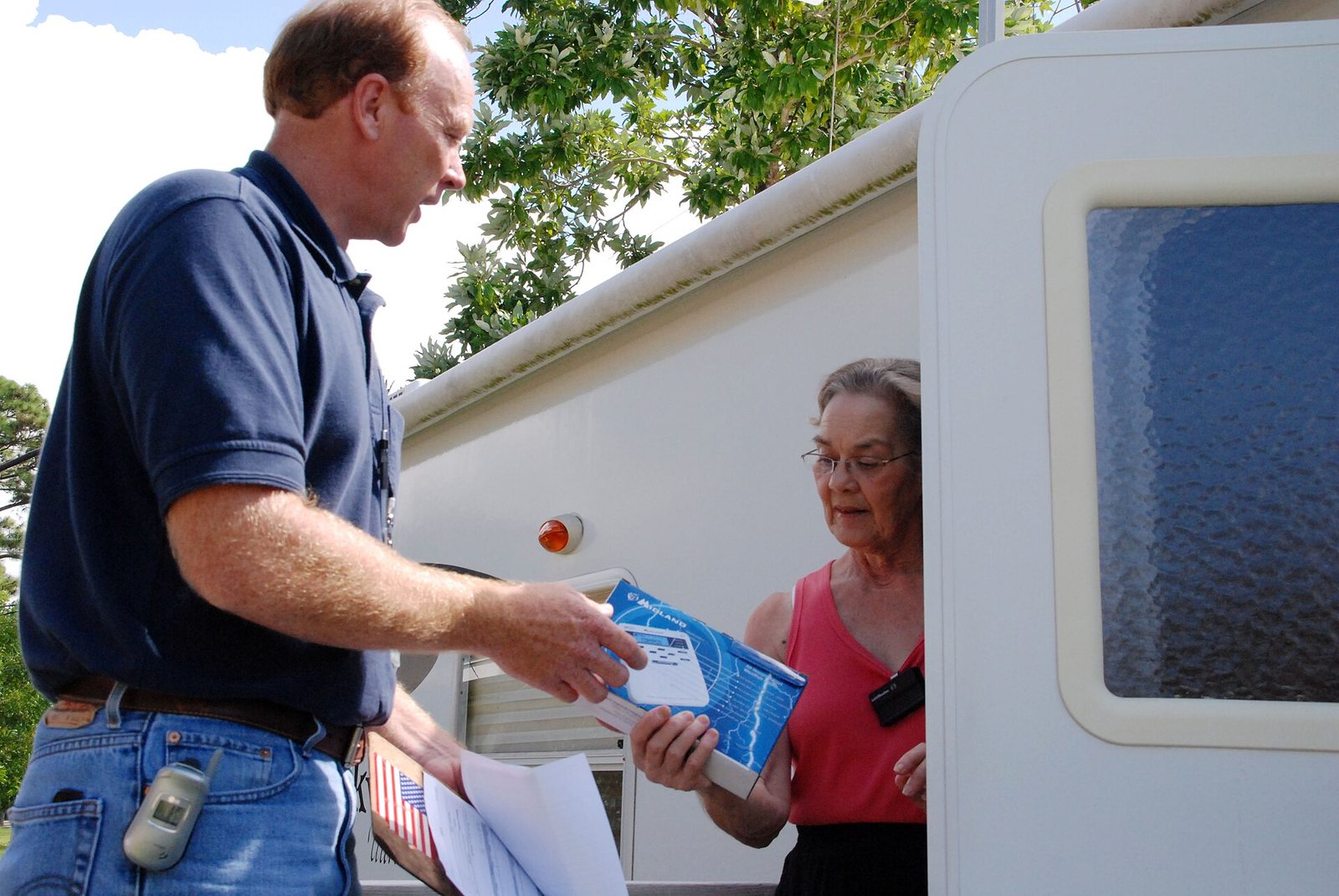
| NOAA Weather Radio All Hazards | A dedicated radio receiver | Broadcasts warnings 24 hours a day, seven days a week, including non-weather emergencies relayed through EAS |
| IPAWS | The backbone behind all of the above, plus sirens and digital billboards | FEMA’s system for local alerting. FEMA does not review, edit or approve local alerts. |
Make sure alerts reach you
- Check your phone’s settings for “Government Alerts” or “Emergency Alerts” and turn them on. Some models need this.
- Buy a NOAA Weather Radio with battery backup. It works when the cell network is down.
- Sign up for your county or city alert system
- Keep a battery or hand-crank radio in your kit
- Teach your kids what an alert sounds like and what to do
Our view: A test is not a crisis. It is a reminder that the warning only helps if you hear it and have a plan. Spend the minute checking your own phone settings and kit. Related: When the systems fail.
Sources
- FCC, EAS Test Reporting System (test date and backup date)
- Wisconsin Emergency Management, Nationwide Emergency Alert System Test on Nov. 17 (FEMA release)
- Erie County Executive, FEMA and FCC to conduct test of nationwide Emergency Alert System
- Ready.gov, Emergency Alerts
Featured image: FEMA – 37412 – FEMA gives away NOAA Weather radios in Mississippi, by Jennifer Smits. Public domain, via Wikimedia Commons. See all image credits.