

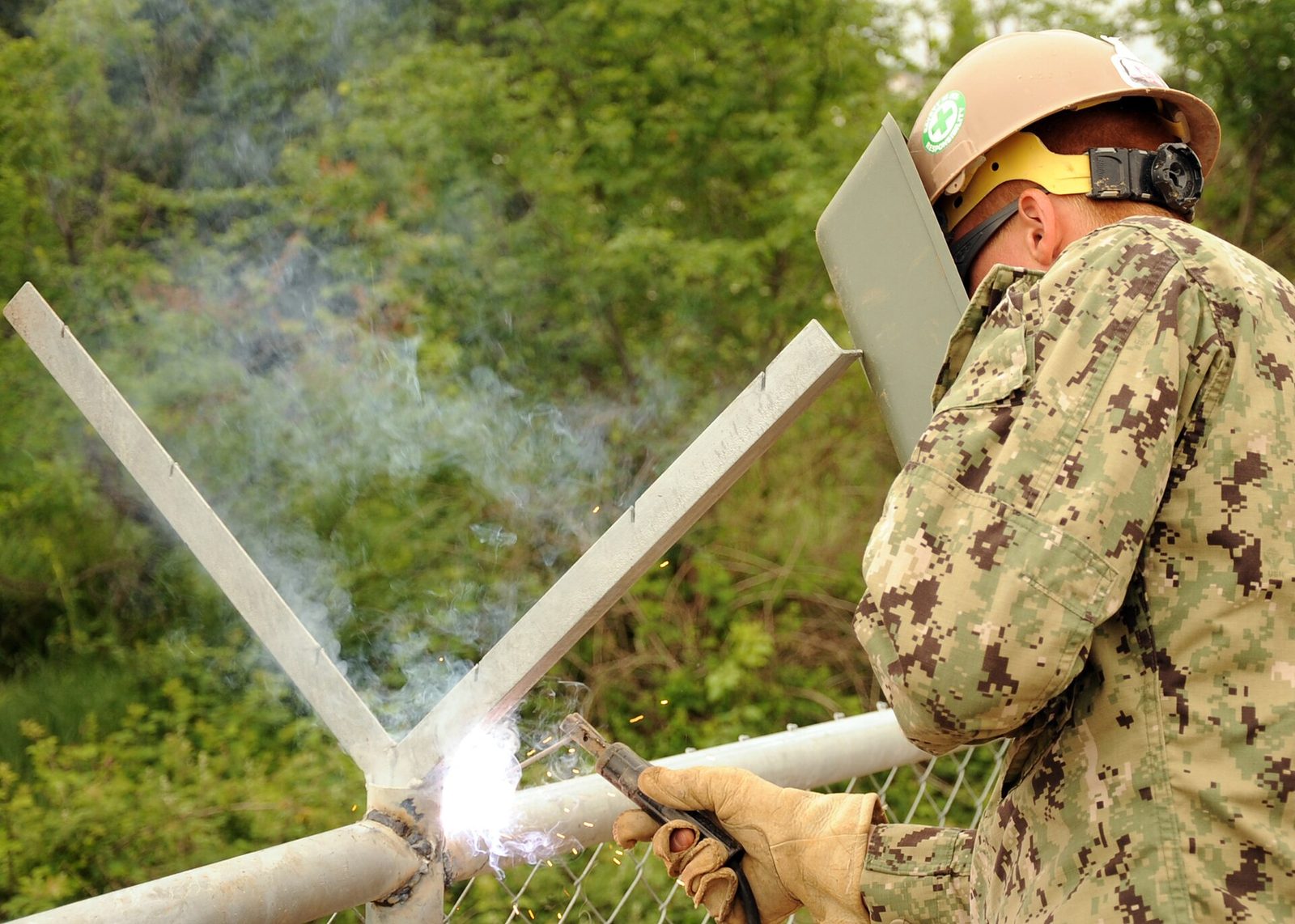
Most prepping talk is about stuff: food, water, gear. The most valuable preparedness asset is a skill. People who can weld, wire, plumb, frame and fix engines keep a community running when the supply chain stalls. They can also earn a strong living without a four-year degree.
The shortage is real
Confirmed At a September 4, 2026 House Appropriations defense subcommittee field hearing on skilled-trades workforce, Rep. Ed Case (D-Hawaii), speaking for the subcommittee’s Democrats, cited a shortage of welders, electricians, pipefitters and other trades. He also pointed to a “too-prevalent bias against careers in the trades.”
Reported Trade press covering the hearing cited industry estimates that the U.S. needs at least 320,000 new welders by 2029.
A long-running argument
Mike Rowe, longtime host of Dirty Jobs, told a Senate committee in 2011 that stigma and stereotypes were steering people away from good jobs in the trades. He testified again to the House Education and the Workforce Committee in 2017. His 2011 testimony recently resurfaced online.
Confirmed In a September 29, 2026 post, Rowe said the Pentagon and his mikeroweWORKS Foundation had partnered on “Build Freedom,” a campaign to highlight jobs in the defense industrial base that do not require a four-year degree. He said Build Freedom gave the foundation $10 million for training scholarships.
Building your own skill stack
- Basic electrical: safely reset, isolate and troubleshoot household circuits, and know when to call a licensed electrician
- Plumbing: shut off water, fix leaks, winterize pipes
- Small engines: keep generators, chainsaws and mowers running
- Welding and fabrication: a community-college course pays for itself
- First aid and medical: CPR, bleeding control, splinting
- Food: gardening, canning, hunting and butchery
Our view: A country that cannot build cannot defend itself. Trade schools, apprenticeships and work-ethic scholarships deserve the same respect and funding we give four-year degrees. For a young person, a trade is both a career and a preparedness plan.
Sources
- Rep. Ed Case, statement at House Appropriations Defense Subcommittee hearing, Industrial Base and Workforce Development for Skilled Trades
- Legis1, “Defense Workforce Shortage Drives Federal Strategy on Skilled Trades” (Sept. 9, 2026)
- Mike Rowe, “Build Freedom” (Sept. 29, 2026)
- Mike Rowe, testimony to the House Committee on Education and the Workforce (2017)
Featured image: Navy Seabees construct perimeter fence for SR12 120529-F-jZ627-045, by Staff Sgt. Daryl Knee. Public domain, via Wikimedia Commons. See all image credits.