

Constitution
-
The Constitution and Bill of Rights in Plain English
What the Constitution sets up, and what each of the first ten amendments actually protects, in plain words with the original text linked.
-
The Declaration of Independence and the U.S. Constitution: A Plain-English Guide
The Declaration and the Constitution in plain English: unalienable rights, the grievances, the structure of government, the Bill of Rights, and the contradictions.
-
The Federalist Papers: A Plain-English Guide
The Federalist Papers in plain English: who wrote them, the essays to read first (10, 51, 78), the core ideas, and what the critics said.
-
The Anti-Federalist Papers: A Plain-English Guide
The Anti-Federalists in plain English: who they were, what Brutus, Centinel and the Federal Farmer warned, what came true, and how they won the Bill of Rights.
-
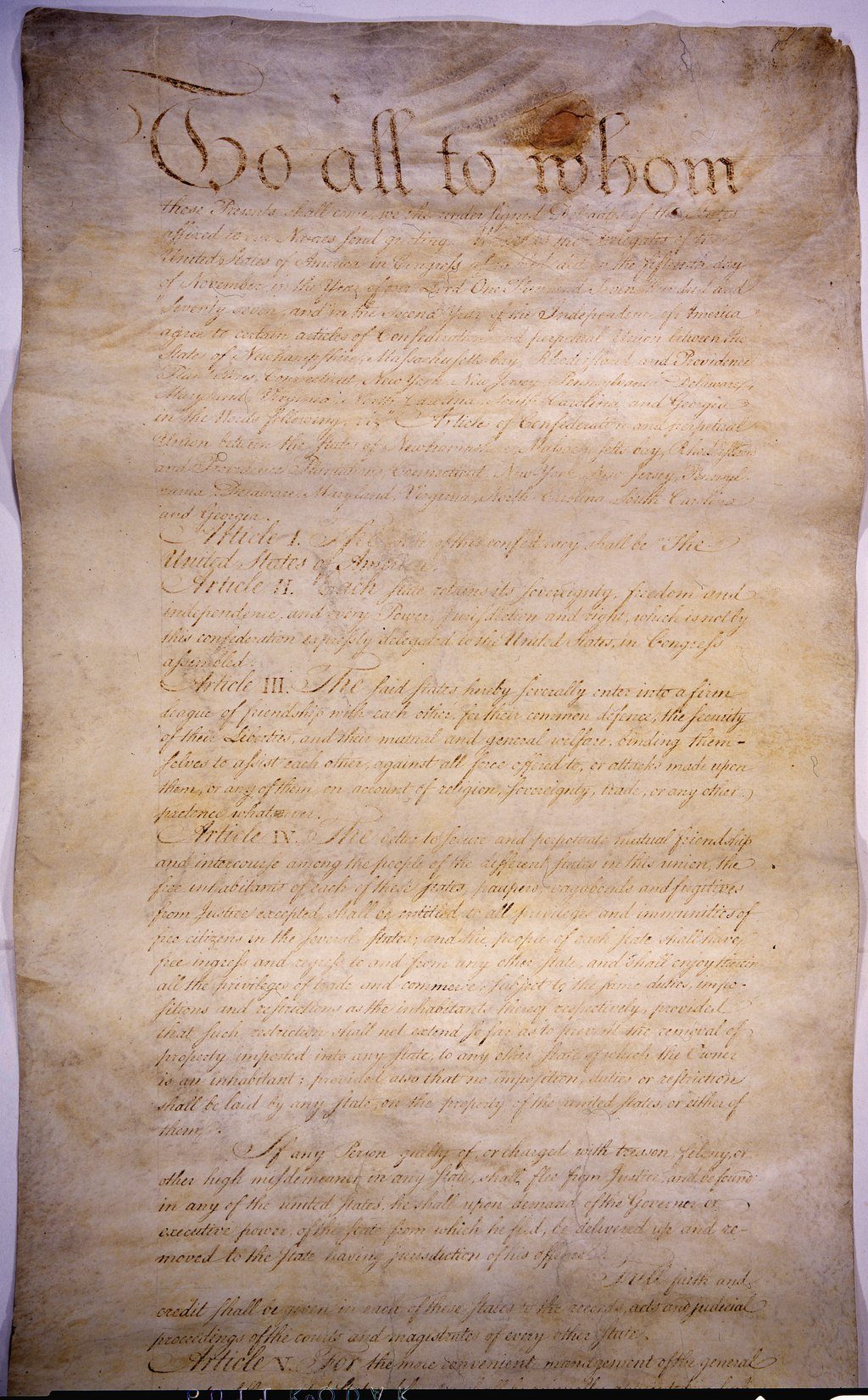
The Articles of Confederation: America’s First Constitution, and Why It Failed
On November 15, 1777, Congress adopted the Articles of Confederation. It won a war and then nearly lost the peace. Here is what it got right and what it got wrong.
-

The Electoral College vs. the National Popular Vote Compact, Explained
The compact sits at 222 electoral votes, 48 short of taking effect, and new state majorities could push it further. Here is how both systems work.
-
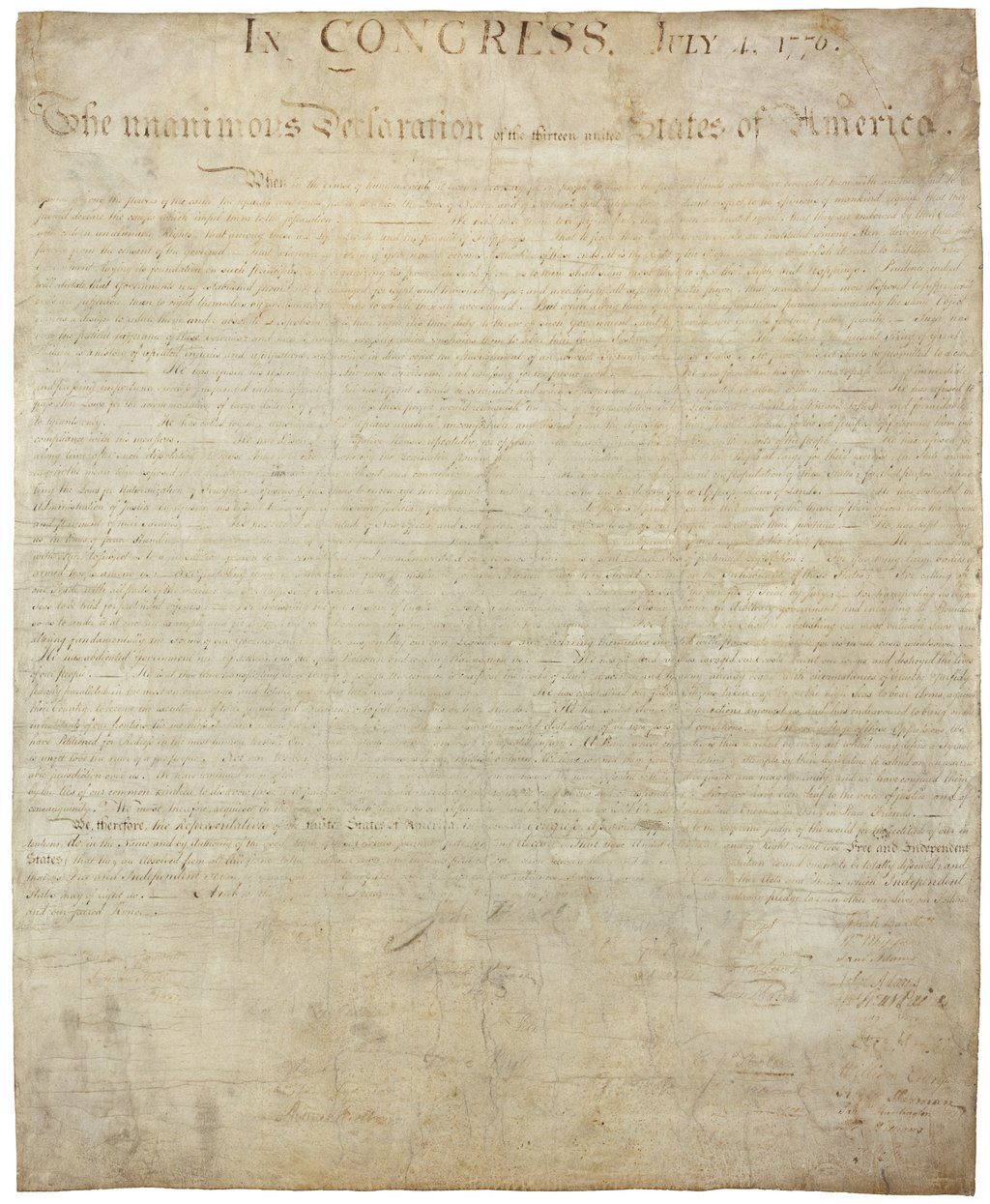
A Primer on America’s Founding Documents
The Declaration, the Articles, the Constitution and the Bill of Rights: what each one did, when, and where to read the originals.
-
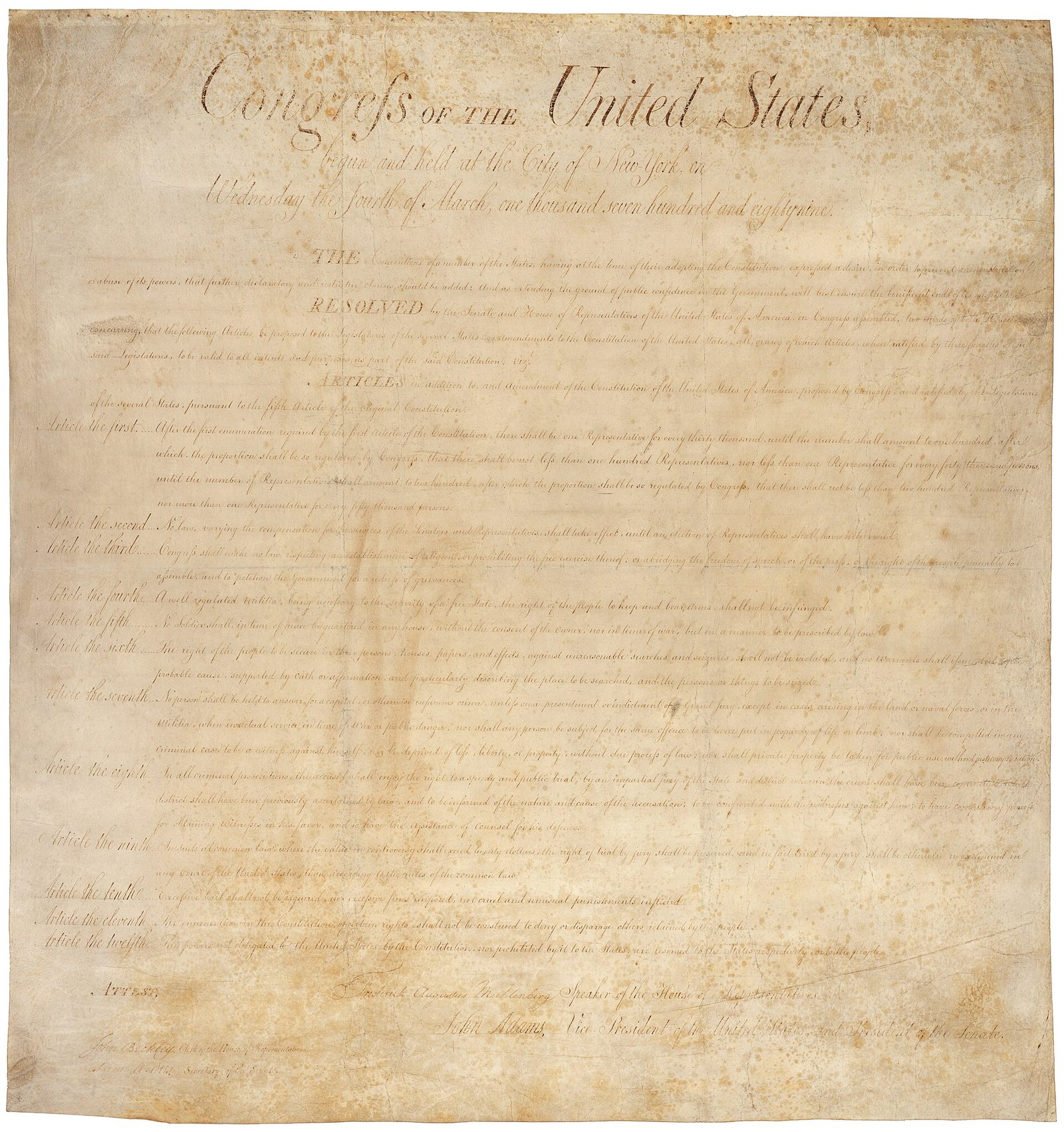
The Bill of Rights Explained, Amendment by Amendment
Congress proposed twelve amendments in 1789. Ten were ratified on December 15, 1791. Here is what each one protects, in plain English.