

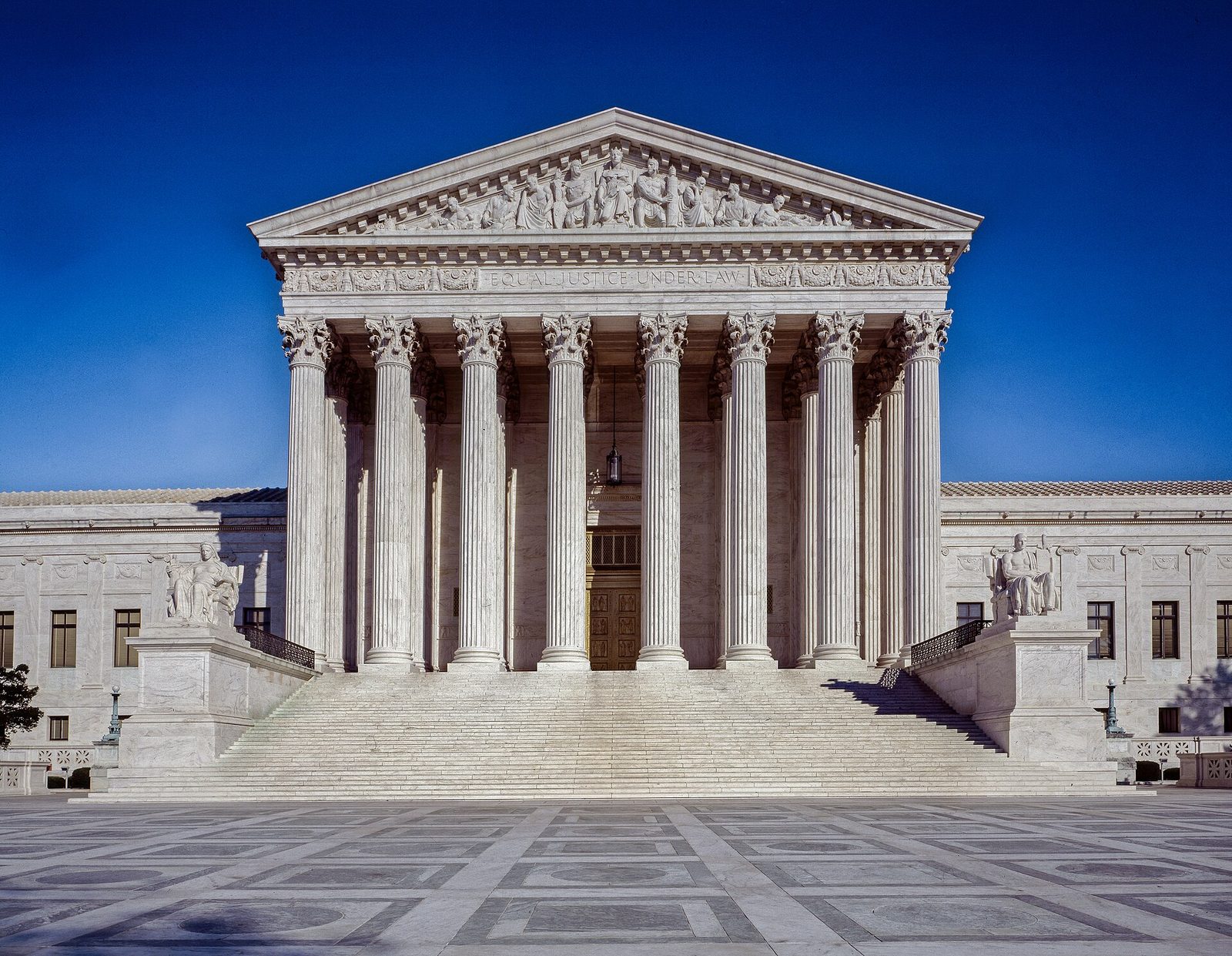
After the November 3 midterms handed Democrats majorities in both chambers starting in January, the question of impeaching Supreme Court justices is back in the conversation.
Reported In a CNN interview, Rep. Alexandria Ocasio-Cortez said “all options are on the table” when asked about impeachment, and said the Court had “legalized a lot of” the President’s alleged criminality. She did not name a justice or announce a plan.
Here is what the Constitution and the historical record actually say.
The text
Article III says federal judges “shall hold their Offices during good Behaviour.” Article II, Section 4 provides that civil officers “shall be removed from Office on Impeachment for, and Conviction of, Treason, Bribery, or other high Crimes and Misdemeanors.” The House impeaches by simple majority. The Senate tries the case, and conviction takes two-thirds of the senators present.
The math
A House majority can impeach. Removal is another matter. Two-thirds of a full Senate is 67 votes. No party has held anything close to that in modern times, so removal of a justice would require broad support from both parties.
The one time it was tried
Only one Supreme Court justice has ever been impeached. In 1804 the House impeached Justice Samuel Chase, a fierce Federalist, over his conduct in politically charged trials and his partisan statements from the bench. According to the Senate Historical Office, the Senate acquitted him on March 1, 1805. A majority voted guilty on three of the eight articles, but every vote fell well short of two-thirds. The Senate historians write that the outcome “effectively insulated the judiciary from further congressional attacks based on disapproval of judges’ opinions.” Chase served until his death in 1811.
Why it matters
Alexander Hamilton called the judiciary “the least dangerous” branch in Federalist No. 78, because it controls neither the sword nor the purse. That weakness is exactly why the framers gave judges life tenure: so they could rule against the powerful without fear of losing their jobs.
Our view: Impeaching a judge for corruption or a genuine crime is what the Constitution provides for. Impeaching justices because you dislike their rulings is the road the Senate rejected in 1805. Disagree with a decision? Win elections, pass laws, and if necessary amend the Constitution. That is the system working.
Sources
- U.S. Senate Historical Office, Impeachment Trial of Justice Samuel Chase, 1804-05
- Federal Judicial Center, Samuel Chase Impeached
- National Archives, The Constitution: A Transcription
- The Avalon Project (Yale Law School), Federalist No. 78
- Yahoo News, “AOC Suggests Dems Could Target Justices for Impeachment” (Nov. 12, 2026)
Featured image: U.S. Supreme Court building-m, by Carol M. Highsmith. Public domain, via Wikimedia Commons. See all image credits.