

The new Congress is sworn in at noon on January 3, as the 20th Amendment requires, and the incoming House majority is already promising “many, many, many investigations.” The White House says it will not be bullied by subpoenas. Before the fight starts, it helps to know the rules the Supreme Court has already set.
Reported Several outlets report that White House Counsel sent a November 9 letter to incoming oversight leaders warning that abusive subpoena threats could be investigated, and citing the requirement of a legitimate legislative purpose.
Congress does have the power to investigate
The Constitution never says “subpoena,” but the Supreme Court recognized the power long ago. In McGrain v. Daugherty (1927), arising from the Teapot Dome scandal, the Court held that the power of inquiry, with the power to compel testimony, is an essential and appropriate aid to the legislative function.
But the power has limits
That same opinion stressed that neither house has a “general” power to dig into private affairs. In Trump v. Mazars USA (2020), the Court applied these principles to subpoenas for a sitting President’s personal records. A congressional subpoena must serve a “valid legislative purpose.” Congress may not use subpoenas for “law enforcement,” because that power belongs to the executive and the courts. The Court then listed several special considerations for presidential papers, including whether Congress could get the information elsewhere and whether the subpoena is broader than reasonably necessary.
What to watch in January
- Is each subpoena tied to a law Congress could actually write?
- Is the request narrowly drawn, or is it a fishing expedition?
- Are the targets public officials acting in office, or private citizens and family businesses?
Our view: Real oversight is a constitutional duty, and we would want it from either party. Investigations designed to punish political opponents or generate headlines are not oversight. The Mazars test is a good yardstick, and we will apply it to whoever holds the gavel.
Sources
- National Archives, Amendments 11-27 (20th Amendment)
- Cornell LII, McGrain v. Daugherty, 273 U.S. 135 (1927)
- Supreme Court of the United States, Trump v. Mazars USA, LLP (2020), slip opinion
- Cornell LII, Trump v. Mazars USA, LLP
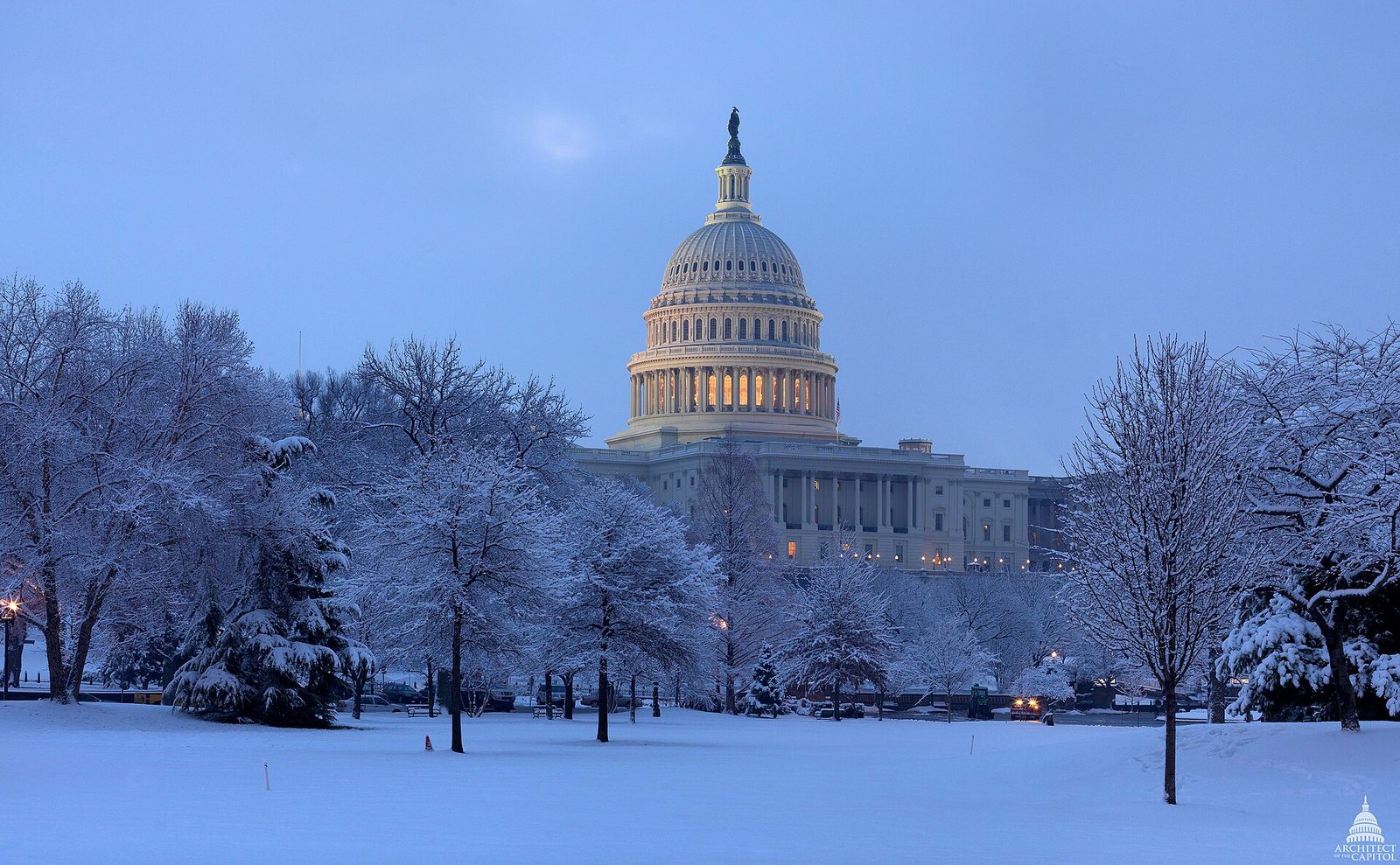
Featured image: Flickr – USCapitol – Snow at the U.S. Capitol Building, by USCapitol. Public domain, via Wikimedia Commons. See all image credits.