

November 3 was a hard night for Republicans in Texas. Here is what the record shows so far.
What happened
Confirmed Democrats won every statewide office on the Texas ballot, including governor and lieutenant governor. Gina Hinojosa defeated three-term Gov. Greg Abbott, Vikki Goodwin defeated Lt. Gov. Dan Patrick, and James Talarico won the open U.S. Senate seat.
Confirmed Democrats will hold a majority in the Texas House, reported at 83 seats to 67. Republicans kept the Texas Senate, about 19 seats to 12.
Turnout was 51.6 percent, the third-highest for a Texas midterm since 1970, according to the Texas Association of School Boards’ recap.
Why it happened
Analysts will argue about this for years. A few factors are already on the record:
- Bruising primaries. Texas Public Radio notes that several GOP officials lost primaries or left office, and that even some Republicans had doubts about the replacements. Attorney General Ken Paxton beat Sen. John Cornyn in the primary, then lost the general election.
- A national wave. Democrats also flipped both chambers of Congress, and pocketbook worries were widely reported as a driver.
- Candidate quality. Turnout alone did not produce a sweep this size. Many swing voters split their tickets or switched sides.
The SAVE America Act
Many conservatives had hoped this Congress would pass legislation requiring documentary proof of citizenship to register to vote in federal elections.
Confirmed The House passed S. 1383 on February 11, 2026, 218-213, according to GovTrack’s vote record. It has not become law. Cloture votes on related voter-ID measures failed in the Senate, where 60 votes are needed to end debate.
Reported Some GOP senators are pushing to pass it before the majority changes in January, including by forcing a talking filibuster.
Our view: Losing is information. We the people win when candidates from any party have to persuade the middle on cost of living, safety and the rule of law. Election-integrity bills should be built to clear 60 votes, or be paired with reforms that can. Either way, the time to fix candidate pipelines is now, not October 2028.
Sources
- Texas K-12 Education News (TASB Legal/Advocacy), “Democrats Sweep Statewide Executive Offices in 2026 Midterm Election” (Nov. 12, 2026)
- Texas Public Radio, “Meet the 18 Democrats who swept into Texas’ statewide leadership” (Nov. 8, 2026)
- CBS Texas, “Did Texas turn blue in the 2026 midterms?”
- GovTrack, S. 1383 vote history
- Delaware Online, “Did the SAVE Act pass?” (Nov. 11, 2026)
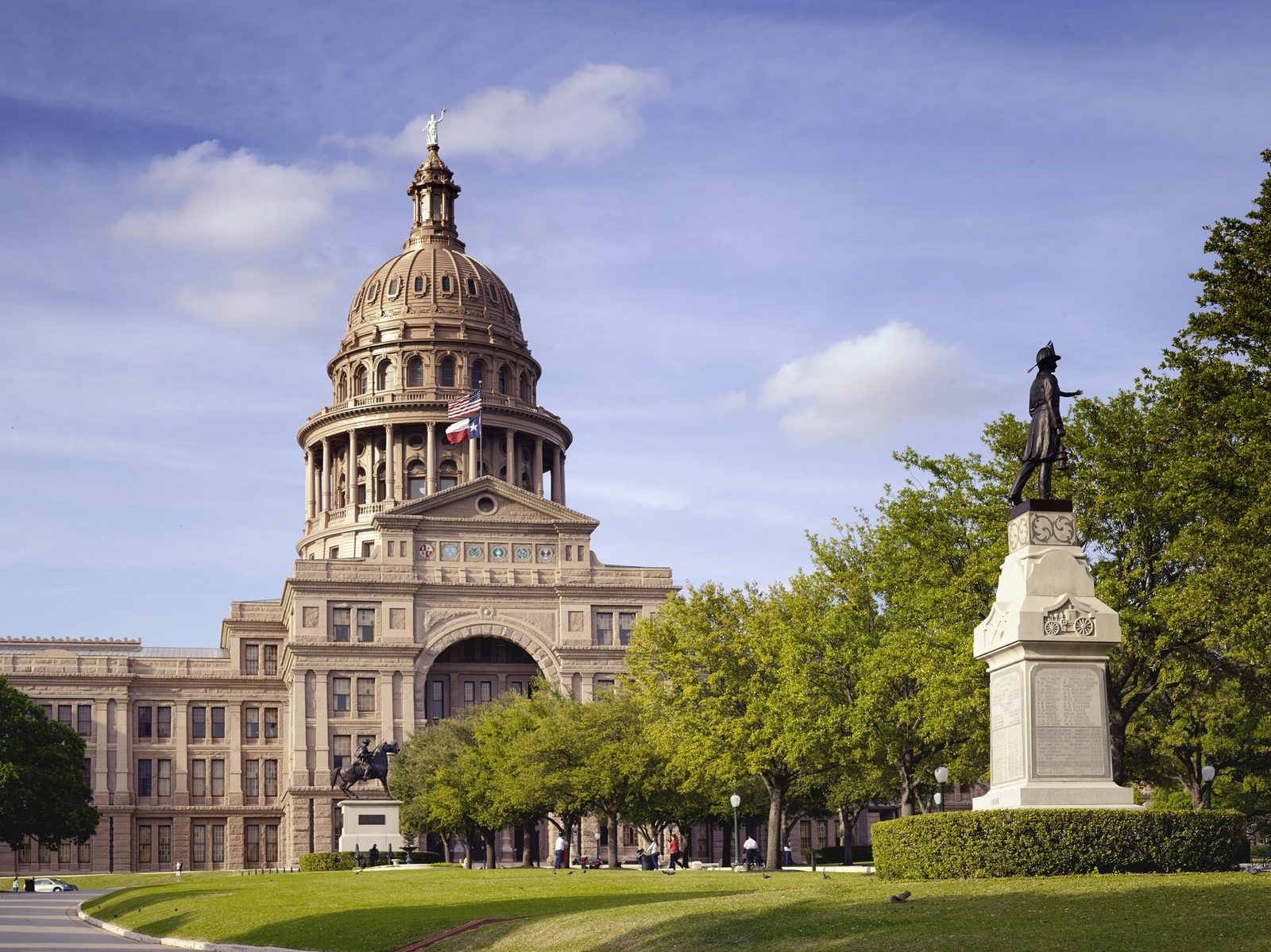
Featured image: The Texas state capitol in Austin LCCN2014632686, by Carol M. Highsmith. Public domain, via Wikimedia Commons. See all image credits.