

Quick take
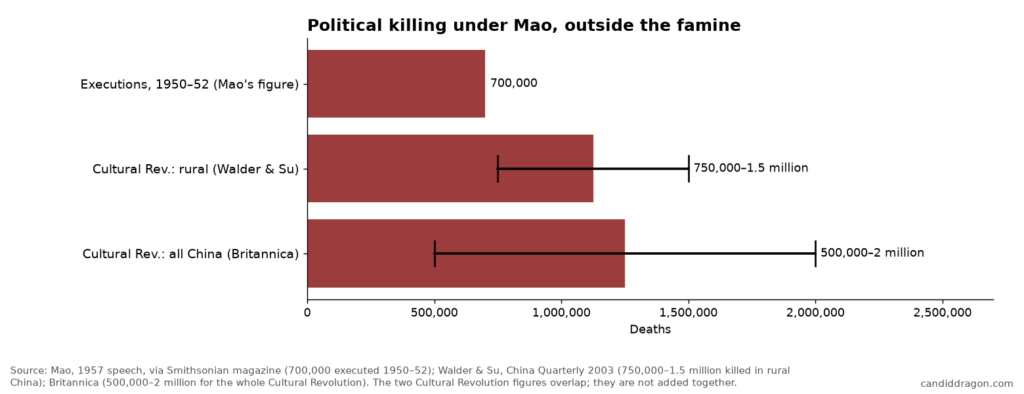
- Mao Zedong’s Communists won China’s civil war and founded the People’s Republic on October 1, 1949. By Mao’s own account, the new state executed 700,000 “counterrevolutionaries” in 1950–52.
- His Great Leap Forward of 1958–60 produced the deadliest famine in history: Britannica says about 20 million starved; the journalist Yang Jisheng puts it at 36 million and the historian Frank Dikötter at 45 million. The total is contested.
- The Cultural Revolution of 1966–76 killed an estimated 500,000 to 2 million people. In 1981 the Communist Party itself said “chief responsibility” lay with Mao.
Our rating: ✅ Confirmed  Factual
Content warning: this post describes famine, torture, executions and mass killing in plain terms.
Mao Zedong is still on China’s banknotes and his portrait still hangs over Tiananmen Square. He led a revolution that unified a country torn by civil war and foreign invasion. He also presided over the largest famine in recorded history and a decade of political terror that his own party later called a catastrophe. This is how he took power and how he held it, with the death tolls as sourced ranges.
Taking power, 1921–1949
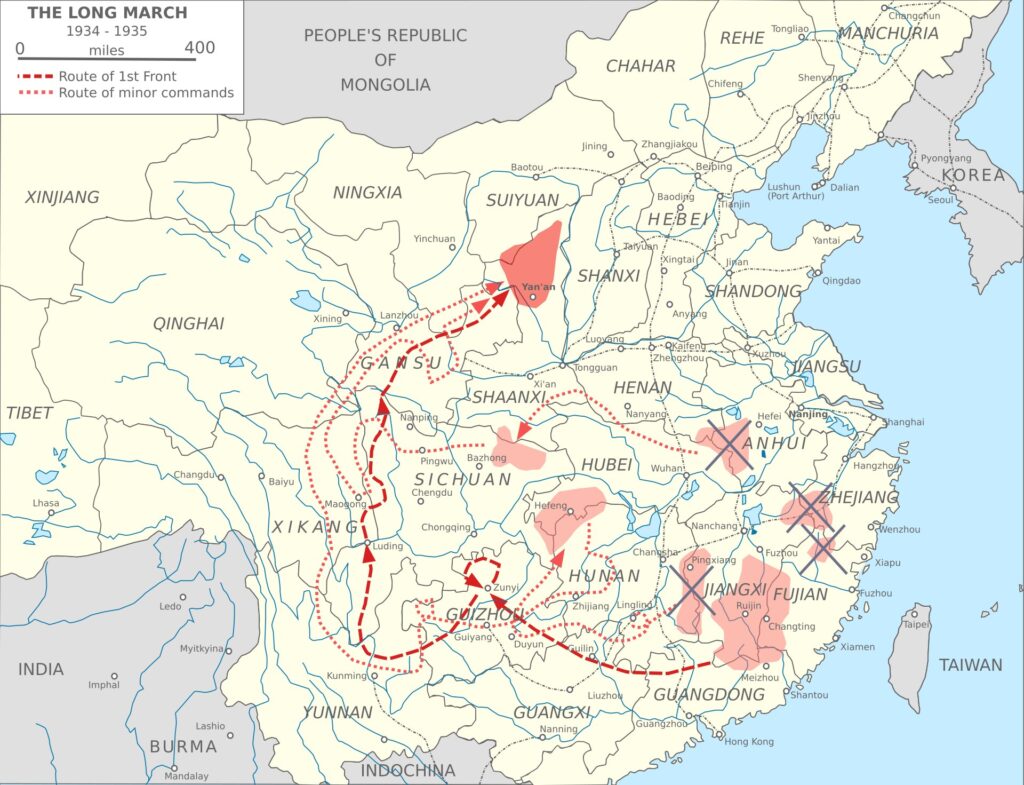
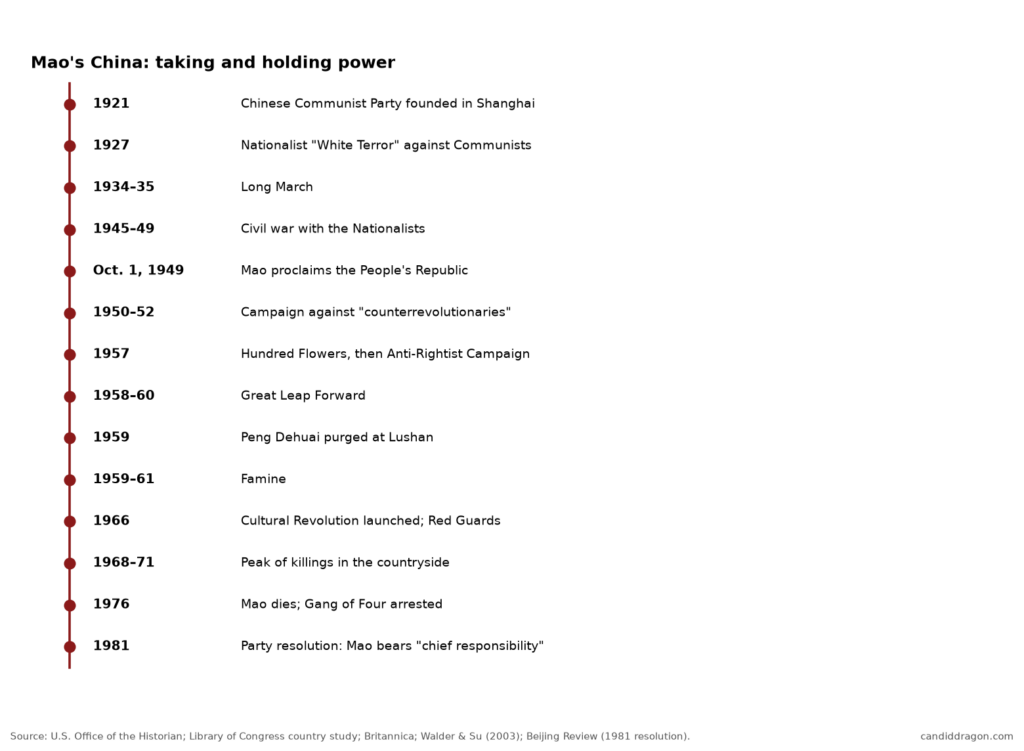
The Chinese Communist Party was founded in Shanghai in 1921. It first worked inside an alliance with the Nationalist Party (Kuomintang) until the “White Terror” of 1927, “when the Nationalists turned on the Communists, killing them or purging them from the party.” Full-scale civil war followed the Second World War, and on October 1, 1949, Mao declared the creation of the People’s Republic of China (U.S. Office of the Historian).
The killing did not stop with victory. In a speech in February 1957, Mao acknowledged that the government had killed 700,000 “counterrevolutionaries” between 1950 and 1952, saying that without those executions “the people would not have been able to lift their heads” (Smithsonian magazine). This is Mao’s own figure; independent estimates for the land-reform and suppression campaigns of those years vary.
The trap of the Hundred Flowers, 1957
In 1957 Mao invited criticism of the party under the slogan “Let a hundred flowers bloom, let the hundred schools of thought contend.” When the criticism came, party leaders “turned on the critics as ‘bourgeois rightists’ and launched the Anti-Rightist Campaign” (Library of Congress country study). Critics “were rounded up by the hundreds of thousands” and sent to execution or “re-education through labor”; Mao later said the campaign had “enticed the snakes out of their lairs” (Smithsonian magazine).
The Great Leap Forward and the famine, 1958–62
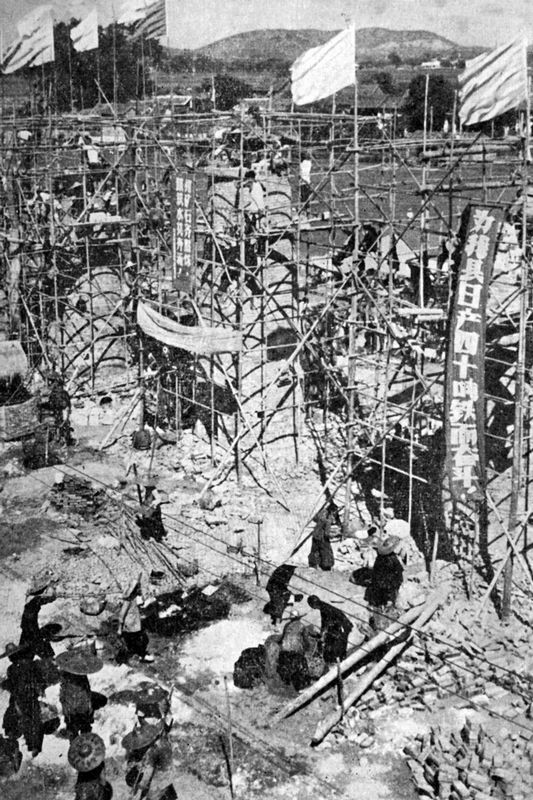
In 1958 Mao launched the Great Leap Forward to industrialize China at once by sheer mobilization. By autumn some 750,000 farm cooperatives had been merged into about 23,500 communes averaging 22,000 people each (Library of Congress country study). Communal kitchens replaced family cooking, villages built backyard steel furnaces, and cadres moved so fast that “farming tools were often melted in the backyard furnaces to make steel” (Britannica).
- The lies: local officials, “either from fanaticism or fear,” reported harvests three or four times their true size. Higher authorities then claimed huge amounts of grain for the cities and even sent it overseas; in one area officials took more grain than the farmers had grown (Yang Jisheng, via The Guardian).
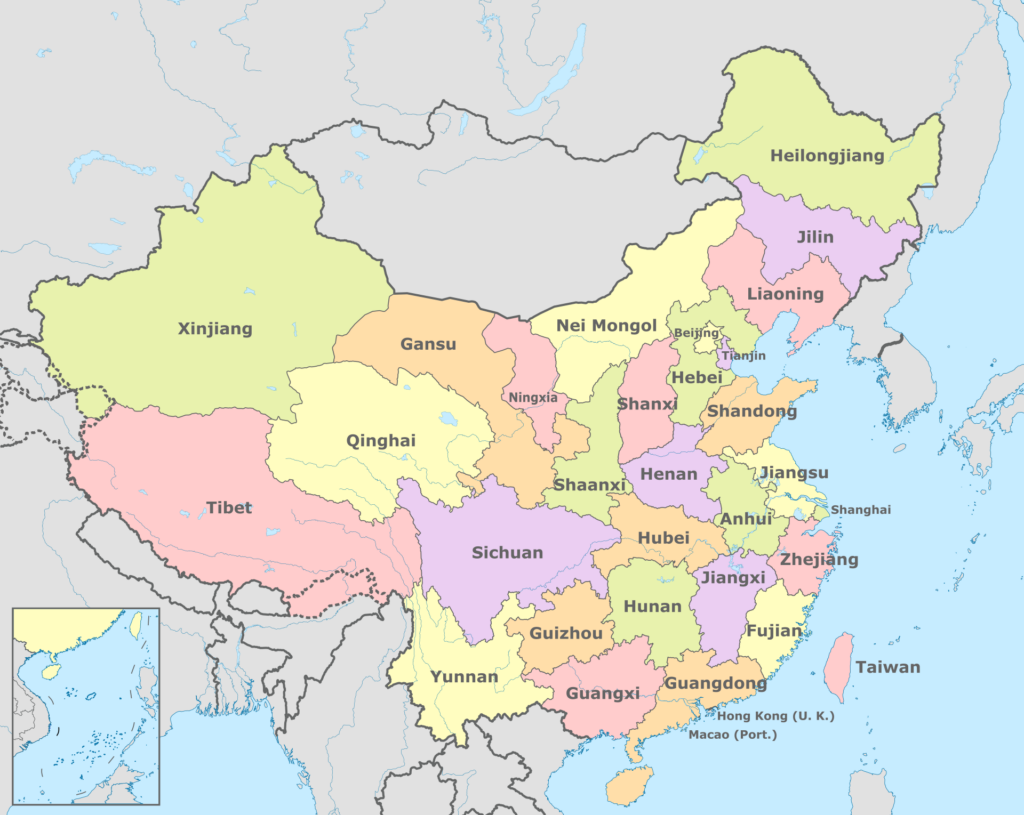
- The violence: farmers were “tortured, beaten or buried alive for declaring realistic harvests, refusing to hand over what little food they have, stealing scraps or simply angering officials.” In Xinyang, Henan, people trying to escape the famine were rounded up, and many died of starvation or brutality in detention. Yang documented thousands of cases of cannibalism (The Guardian). Dikötter estimates at least 2.5 million were beaten or tortured to death; the economic historian Cormac Ó Gráda calls that and some of his other figures “weakly-supported guesses” (Ó Gráda, University College Dublin). Contested.
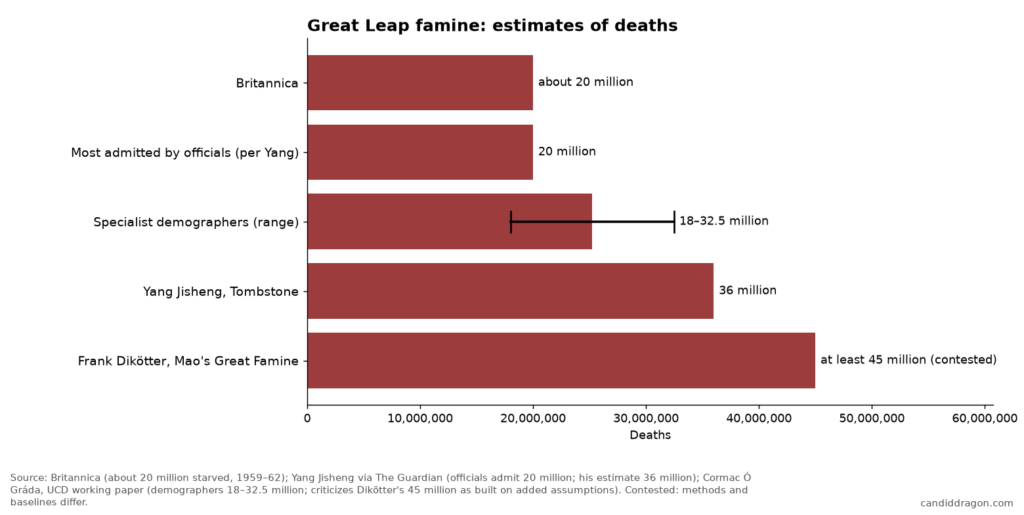
- The toll: Britannica estimates about 20 million deaths from starvation in 1959–62 (Britannica). “The most officials have admitted is 20 million,” Yang says; his own estimate is 36 million (The Guardian). Dikötter, using provincial archives, estimates 45 million (The Guardian). Specialist demographers have proposed 18 to 32.5 million (Ó Gráda). The range is wide because China’s population data are poor and scholars use different baselines.
Britannica also lists natural disasters and the withdrawal of Soviet support as factors that made the failure worse (Britannica). But the famine was not a secret inside the leadership.
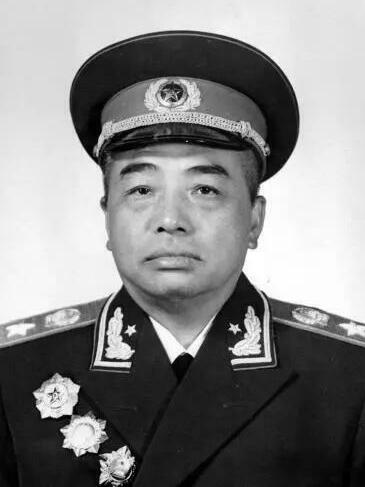
At a party conference at Lushan in 1959, Defense Minister Peng Dehuai criticized the Great Leap, arguing that “putting politics in command” was no substitute for economic laws. He was deposed and replaced by Lin Biao, who purged Peng’s supporters from the army (Library of Congress country study). The campaign went on, and so did the dying.
The Cultural Revolution, 1966–76
After the famine, more moderate leaders such as Liu Shaoqi and Deng Xiaoping took charge of recovery, and Mao was on the political sidelines. He fought his way back. The opening shot was a pretext: in late 1965 a Mao ally attacked a play by Beijing’s deputy mayor, Wu Han. Within six months Mao and his supporters “purged or attacked a wide variety of public figures, including State Chairman Liu Shaoqi” (Library of Congress country study).
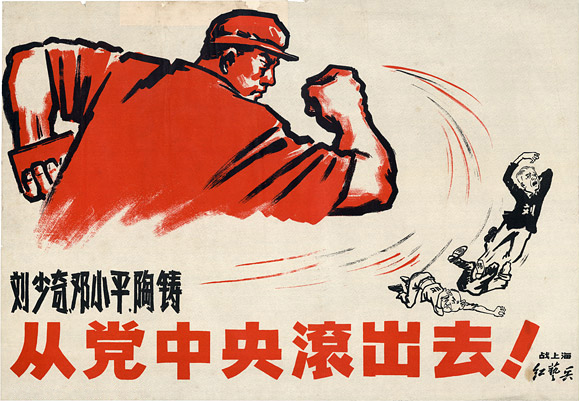
- The Red Guards: millions of students were encouraged to become a “shock force” against the party establishment and to destroy “outdated” and “counterrevolutionary” symbols and values. The result was “massive civil disorder” and clashes among rival Red Guard gangs (Library of Congress country study). Teachers, intellectuals and traditionalists were persecuted and killed (Britannica).
- The worst came later, from the state: the sociologists Andrew Walder and Yang Su found that the vast majority of rural casualties occurred from 1968 to 1971, after the new revolutionary committees had taken power. In one Guangxi county, Binyang, 3,681 people, almost all villagers, were executed and thrown into mass graves in ten days in the summer of 1968 (Walder & Su, China Quarterly).
- The methods: arrests, torture, executions and “violent struggle sessions”: in Yangshuo county, Guangxi, 2,513 people were subjected to struggle sessions in a single month of 1968, and 639 were beaten to death (Walder & Su).
- The toll: Walder and Su estimate 750,000 to 1.5 million killed in rural China, a similar number permanently injured, and 36 million who suffered some form of political persecution (Walder & Su). Britannica gives 500,000 to 2 million for the whole country (Britannica). Estimates; no full count exists.
How the regime sold itself
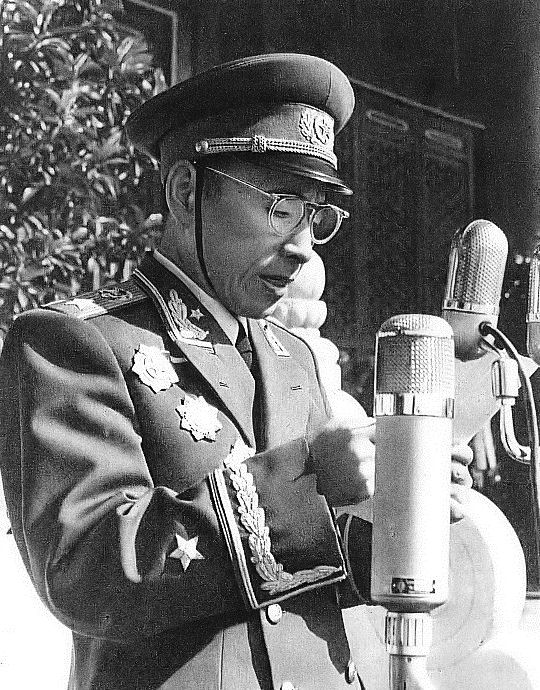
Mao’s thought became the measure of everything. Lin Biao’s army was extolled as a “great school” for revolutionaries, and “Mao’s ideas, popularized in the Quotations from Chairman Mao,” the Little Red Book, “became the standard by which all revolutionary efforts were to be judged” (Library of Congress country study). Enemies were given labels instead of trials: “rightists,” “counterrevolutionaries,” “revisionists” and “capitalist roaders” (Library of Congress). Falsified harvest reports fed the famine, and cadres “harassed or killed those who sought to tell the truth and covered up deaths” (The Guardian).
After Mao died in 1976, his successors passed judgment. A 1981 party resolution said the Cultural Revolution “was responsible for the most severe setback and the heaviest losses suffered by the Party, the state and the people” since 1949, and that “chief responsibility” lay with Mao (Beijing Review, text of the 1981 resolution). The same resolution still judged his achievements greater than his errors, and the famine is still a sensitive subject in China; Yang Jisheng’s book is banned there (The Guardian).
Why it matters
Mao’s China shows how a revolution that promised to free peasants could starve them by the tens of millions, and how a leader can turn a whole society, including its children, against anyone labeled an enemy. Most of the dying happened not in battle but through policy, fear and lies that no one dared contradict.
Patterns to recognize (analysis)
Analysis and opinion. Tactics from Mao’s China that are worth recognizing anywhere:
- Inviting criticism, then punishing those who give it.
- Targets set from the top that no one dares to miss, so false reports flow upward and the cost falls on those below.
- Punishing the messenger: purging officials who report failure.
- Labels instead of trials: “rightist,” “counterrevolutionary,” “enemy” as grounds for punishment.
- Mobilizing young people against institutions and then against neighbors, teachers and parents.
- Public humiliation rituals that make cruelty a show of loyalty.
- A leader’s words treated as scripture.
- Admitting “errors” while protecting the legend.
These are general warning signs drawn from the history above. They describe tactics, not any modern party or person.
Bottom line: Mao took power through civil war and held it through campaigns against labeled enemies. By his own figure 700,000 “counterrevolutionaries” were executed in 1950–52; his Great Leap famine killed somewhere between about 20 million and 45 million people (contested); and the Cultural Revolution killed an estimated 500,000 to 2 million. His own party later placed “chief responsibility” for that decade on him.
The Rise to Power series
How empires and states took power and kept it, told with the same standards for each: propaganda and pretexts, violence, sourced death tolls, and patterns to recognize.
- Rome: Caesar, Augustus and the Fall of the Republic
- The Ottoman Empire: Conquest, the Devshirme and the Fratricide Law
- The USSR: Lenin, Stalin, the Terror, the Famine and the Gulag
- The United States: Removal, Slavery, Expansion and Intervention
- Mao’s China: The Great Leap Famine and the Cultural Revolution (you are here)
Label key
- ✅ Confirmed An official record, or two or more independent outlets, agree.
- ❓ Unconfirmed Reported or claimed, but not yet independently verified.
- ⚠️ Disputed Contradicted by the evidence or by credible sources, or actively contested.
- Factual Straight reporting that holds up across outlets on different sides.
 Leans Left The facts hold, but the coverage tilts left: one-sided, loaded language, missing context or a single anonymous source.
 Leans Right The facts hold, but the coverage tilts right: one-sided, loaded language, missing context or a single anonymous source.
 Likely Propaganda State-run or state-aligned media, a militant press office, a partisan campaign or group, or unverifiable spin.
Each story gets one confidence tag and one source-lean label, plus a one-line Lean note explaining the call. Every side is held to the same standard. More on how we cover the news.
Sources
- U.S. Office of the Historian, The Chinese Revolution of 1949 (Factual)
- Gilbert King, “The Silence that Preceded China’s Great Leap into Famine,” Smithsonian magazine (2012) (Factual)
- Library of Congress country study, China: Contemporary history (via Exploring Chinese History) (Factual)
- Britannica, Great Leap Forward (Factual)
- Tania Branigan, “China’s Great Famine: the true story,” The Guardian (2013), on Yang Jisheng’s Tombstone (Leans Left)
- Jonathan Fenby, review of Frank Dikötter’s Mao’s Great Famine, The Guardian (2010) (Leans Left)
- Cormac Ó Gráda, “Great Leap into Famine,” University College Dublin working paper (2011) (Factual)
- Britannica, A Brief Overview of China’s Cultural Revolution (Factual)
- Andrew G. Walder and Yang Su, “The Cultural Revolution in the Countryside: Scope, Timing and Human Impact,” The China Quarterly (2003) (Factual)
- Beijing Review, text of the 1981 “Resolution on Certain Questions in the History of Our Party” (Chinese state media) (Factual)
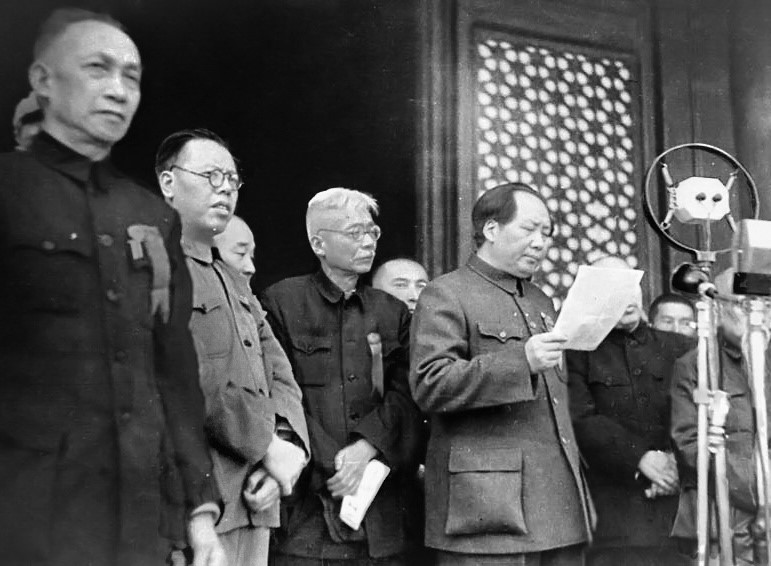
Featured image: Mao Zedong proclaims the People’s Republic of China, October 1, 1949, by Orihara1. Public domain, via Wikimedia Commons. See all image credits.