

Quick take
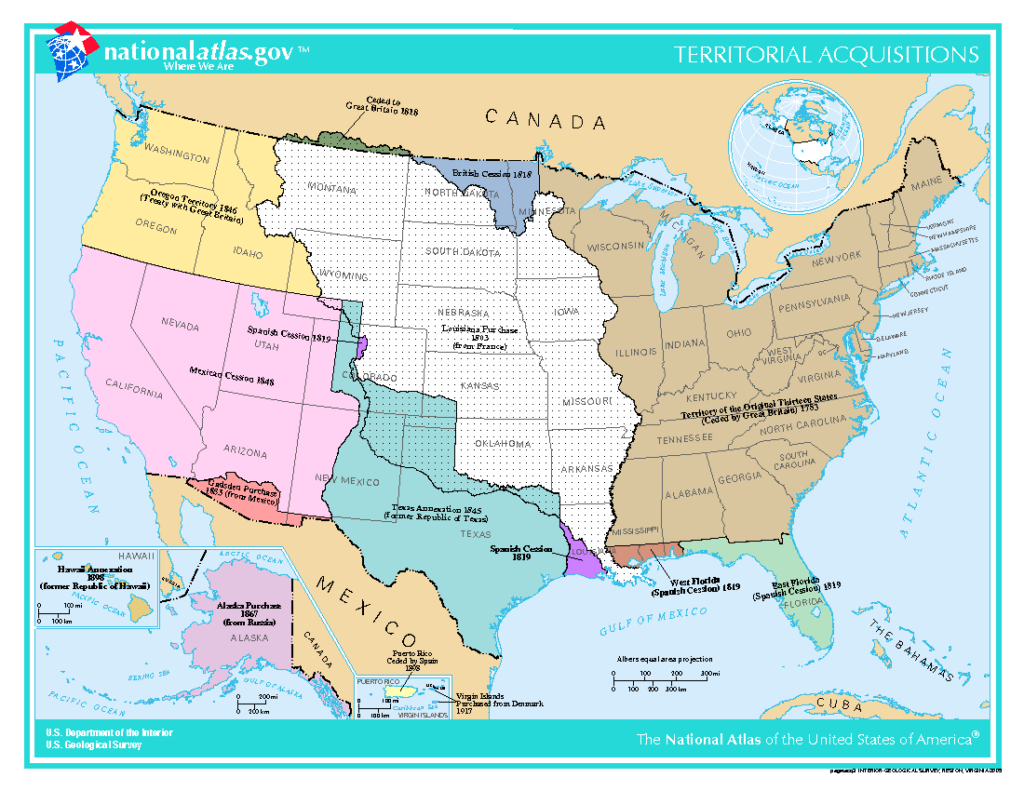
- The United States grew from 13 coastal states to a continental power by treaty, purchase and war. Native nations were pushed off their land by coerced treaties and the army; more than 16,000 Cherokee were forced west in 1838, and more than 1,000 died on the march (National Park Service).
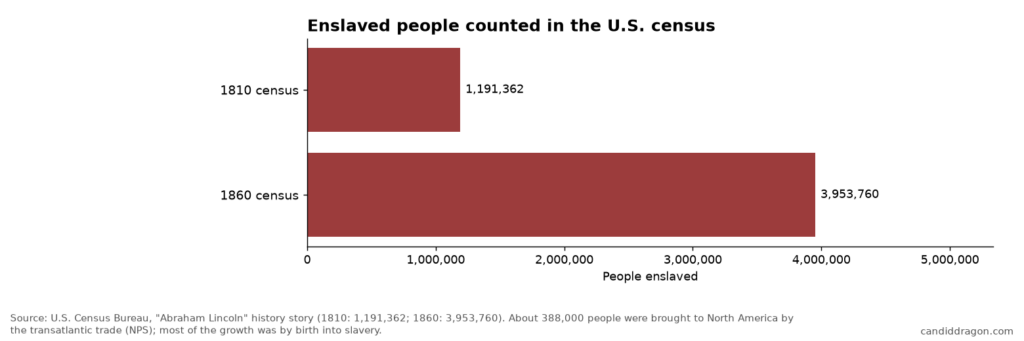
- Slavery built much of the early economy: the 1860 census counted 3,953,760 enslaved people. Ending it took a civil war that killed about 620,000 soldiers.
- Abroad, wars with Mexico, Spain and the Philippines and Cold War covert actions were sold with pretexts, some of them false: the Gulf of Tonkin attack of August 4, 1964, never happened, by the NSA’s own later history.
Our rating: ✅ Confirmed  Factual
Content warning: this post describes massacres, slavery, torture, lynching and war deaths in plain terms.
Every power in this series told itself a heroic story. The United States did too, and it is also a country whose own government historians, park rangers and archives now publish the ugly parts. This post uses those official sources first, labels the partisan numbers, and gives ranges where the dead were never counted. It covers how the country took land and held power, not everything it did.
Removal: taking Native land, 1814–1840
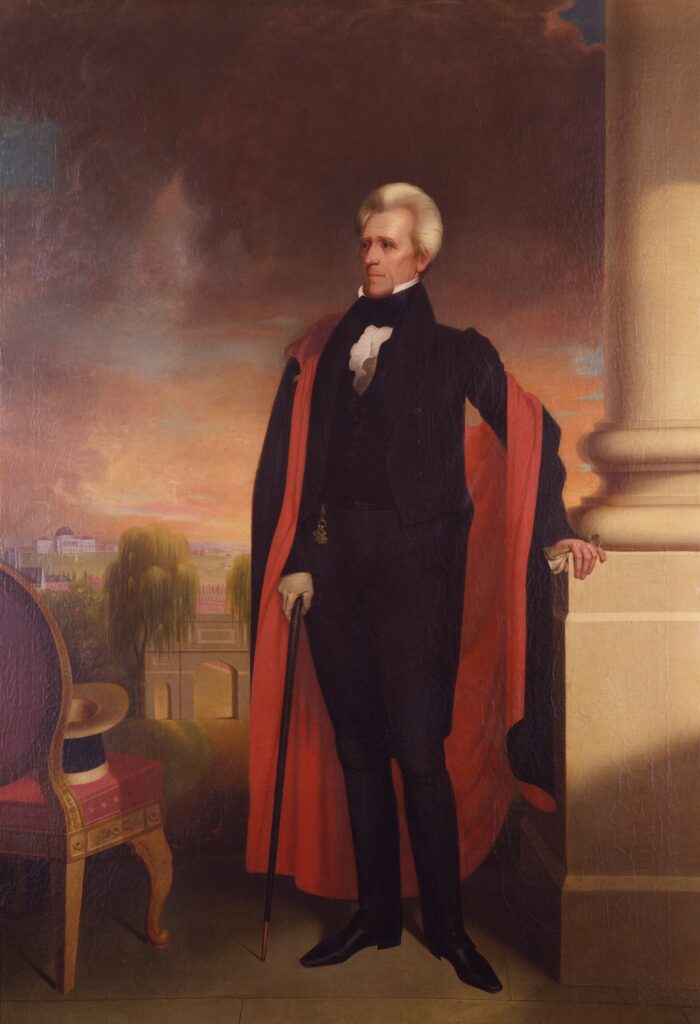
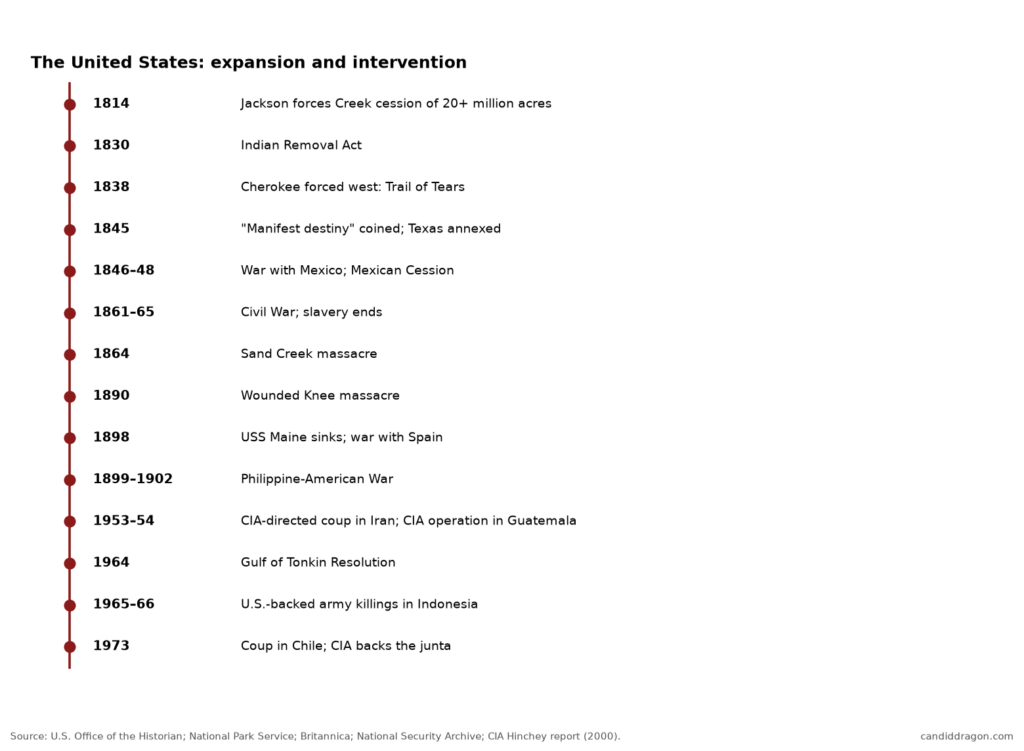
The U.S. government used treaties as one way to displace Native nations, “and in cases where this failed, the government sometimes violated both treaties and Supreme Court rulings” (U.S. Office of the Historian). After defeating the Creek at Horseshoe Bend in 1814, General Andrew Jackson forced on them a treaty surrendering more than 20 million acres, about half of present-day Alabama and a fifth of Georgia. As president he signed the Removal Act of 1830; with it, his officials were free to “persuade, bribe, and threaten tribes into signing removal treaties.” By the end of his presidency almost seventy removal treaties had moved nearly 50,000 eastern Indians west of the Mississippi (Office of the Historian).
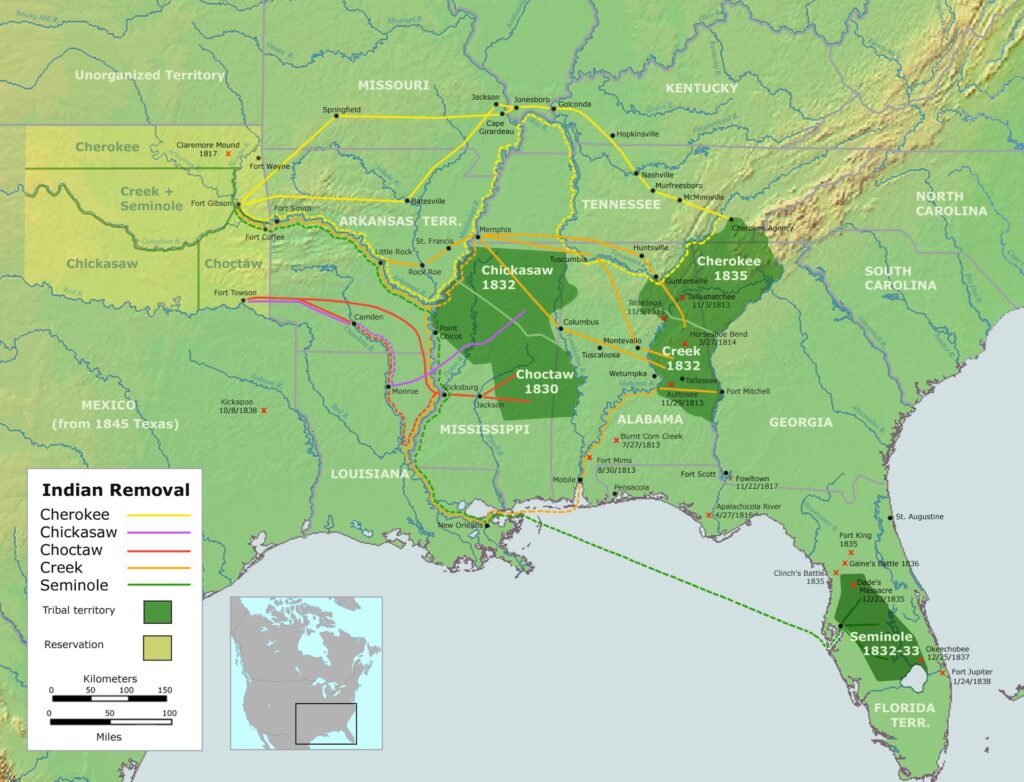
- The pretext: the Cherokee were removed under the Treaty of New Echota of 1835, signed by “a small, rump faction of the tribe” and opposed by the vast majority (National Park Service). Congress ratified it over the protests of Daniel Webster and Henry Clay (Office of the Historian).
- The method: from May 1838, army troops and state militias “forcibly evicted more than 16,000 Cherokee Indian people” from Tennessee, Alabama, North Carolina and Georgia (NPS).
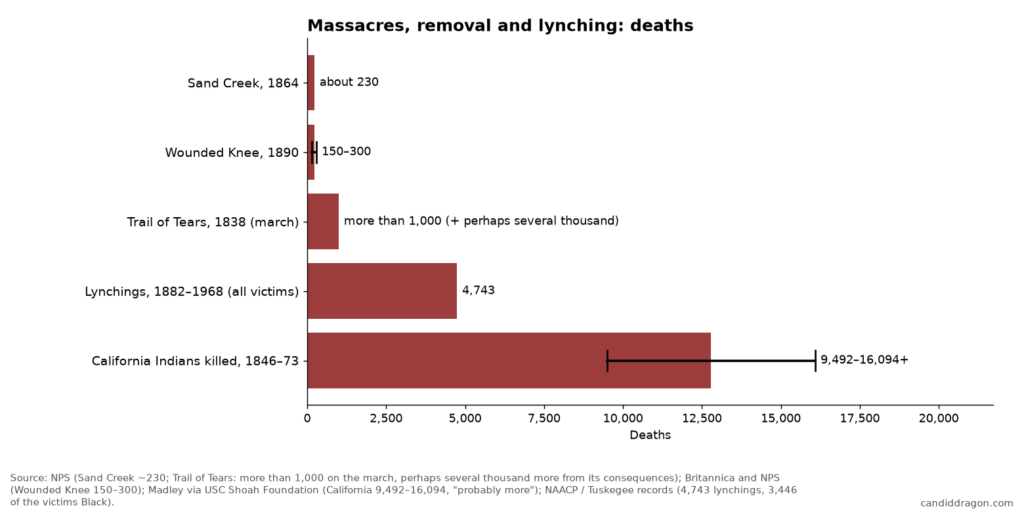
- The toll: more than 1,000 Cherokee, “particularly the old, the young, and the infirm,” died on the trip west, and “an unknown number – perhaps several thousand – perished from the consequences of the forced migration” (NPS). Total contested; no full count exists.
Massacres in the West, 1846–1890
- California, 1846–73: vigilantes, militiamen and soldiers “killed between 9,492 and 16,094 California Indians and probably more,” by the historian Benjamin Madley’s count; in one massacre at Clear Lake, the U.S. Army may have killed 800 people in a single day (Madley, via USC Shoah Foundation). California’s Native population fell from as many as 150,000 to around 30,000 in those years, from killing, enslavement, disease and starvation together (UCLA Newsroom). Madley calls it genocide; that label is his argument as a historian.
- Sand Creek, Colorado, November 29, 1864: Colonel John Chivington’s Colorado volunteers opened fire on a Cheyenne and Arapaho camp whose chiefs had been seeking peace. Over eight hours they “killed around 230 Cheyenne and Arapaho people composed mostly of women, children, and the elderly” (National Park Service).
- Wounded Knee, South Dakota, December 29, 1890: while disarming a Miniconjou Lakota band that had agreed to surrender, the 7th Cavalry opened fire. Women and children who fled into a ravine were shelled by Hotchkiss guns. Modern scholars estimate 250 to 300 Lakota were killed, almost half of them women and children; the Park Service gives 150 to 300. At least 25 soldiers also died. The Indian Bureau called it a battle, and 20 cavalrymen received the Medal of Honor (Britannica; NPS).
Context: settlers’ attempts to claim land were met with “fierce and sometimes violent resistance” from Native peoples, while the federal government “repeatedly signed and violated treaties” with Plains leaders. The Great Sioux Reservation shrank from 60 million acres in 1868 to 12.7 million by 1887 (Britannica).
Slavery
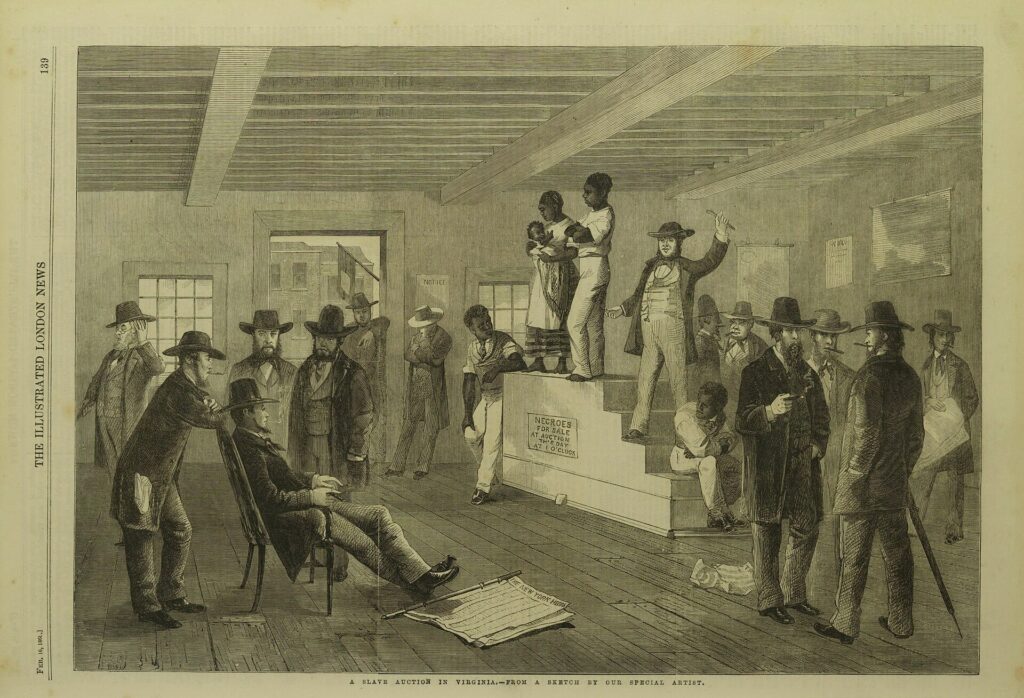
Of the roughly 10.7 million Africans who survived the Atlantic crossing, at least 388,000, about 4 percent, were landed in North America; about 15 percent of captives grew sick and died on board (National Park Service). Most American slavery grew by birth into bondage: the census counted 1,191,362 enslaved people in 1810 and 3,953,760 in 1860, in a country of 31.4 million (U.S. Census Bureau).
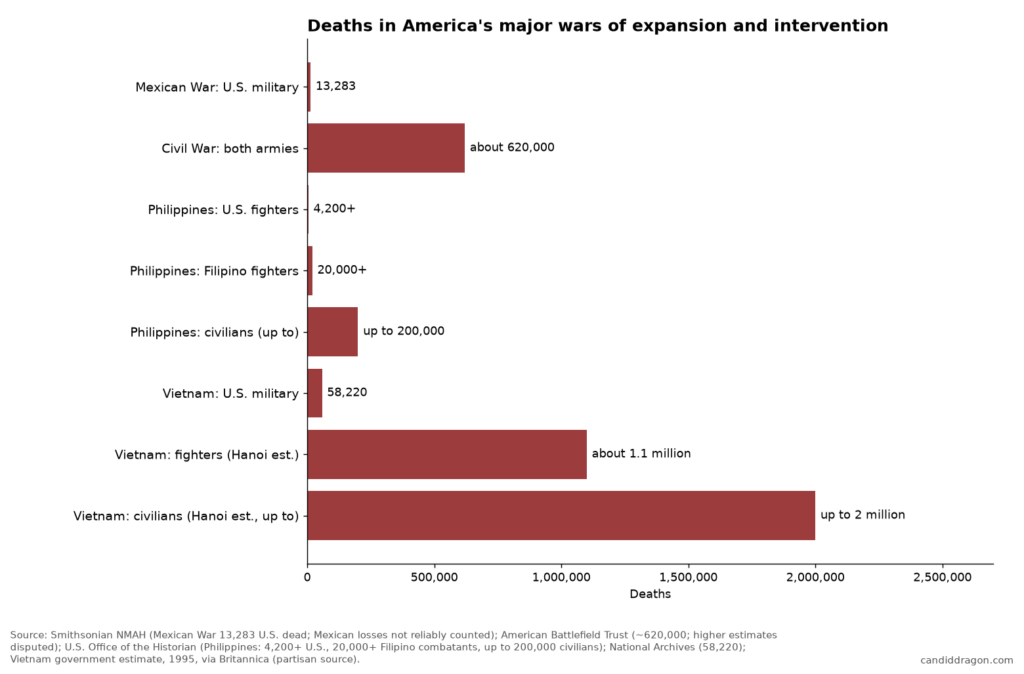
Ending it took the Civil War, America’s bloodiest conflict: an estimated 620,000 soldiers, about 2 percent of the population, died, and for every three killed in battle five died of disease (American Battlefield Trust). Some historians argue for higher totals; the figure is an estimate. On June 19, 1865, Union soldiers announced in Galveston, Texas, that all enslaved people there were free (U.S. Census Bureau).
Freedom did not end the violence. From 1882 to 1968, 4,743 lynchings were recorded in the United States; 3,446 of the victims, about 72 percent, were Black (NAACP, citing Tuskegee Institute records). These are recorded cases; researchers believe many went unrecorded.
Manifest Destiny and the war with Mexico, 1845–48
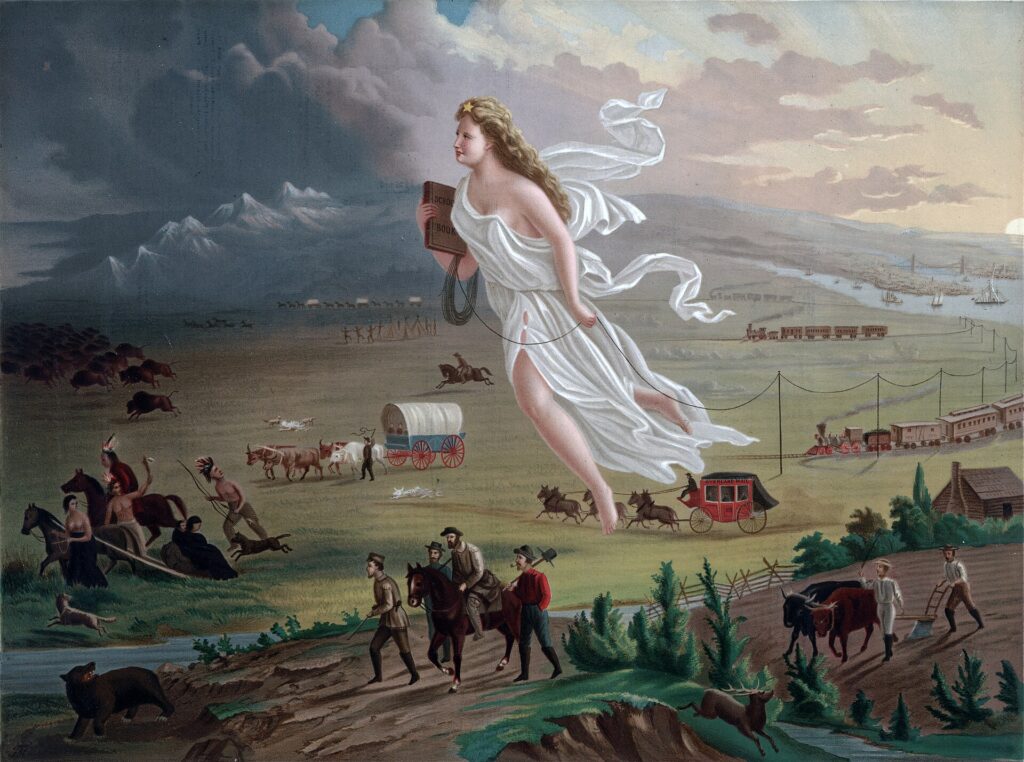
In 1845 the editor John L. O’Sullivan wrote that Americans had a “manifest destiny to overspread the continent allotted by Providence for the free development of our yearly multiplying millions” (Britannica). The phrase became the slogan of expansion.
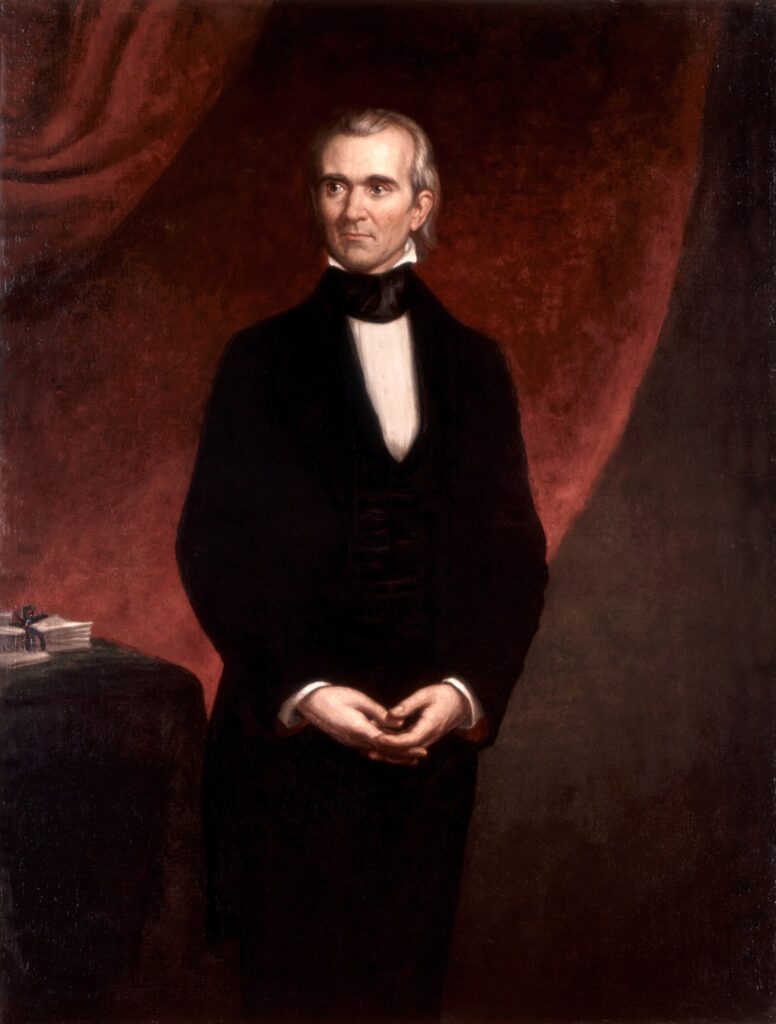
Texas was annexed in 1845. Mexico said the border was the Nueces River; the United States claimed the Rio Grande. President James K. Polk, elected on an expansionist platform, ordered General Zachary Taylor into the disputed land, sent an envoy to buy it along with New Mexico and California, and when that failed in May 1846 “used news of skirmishes inside disputed territory” to win a declaration of war (U.S. Office of the Historian).
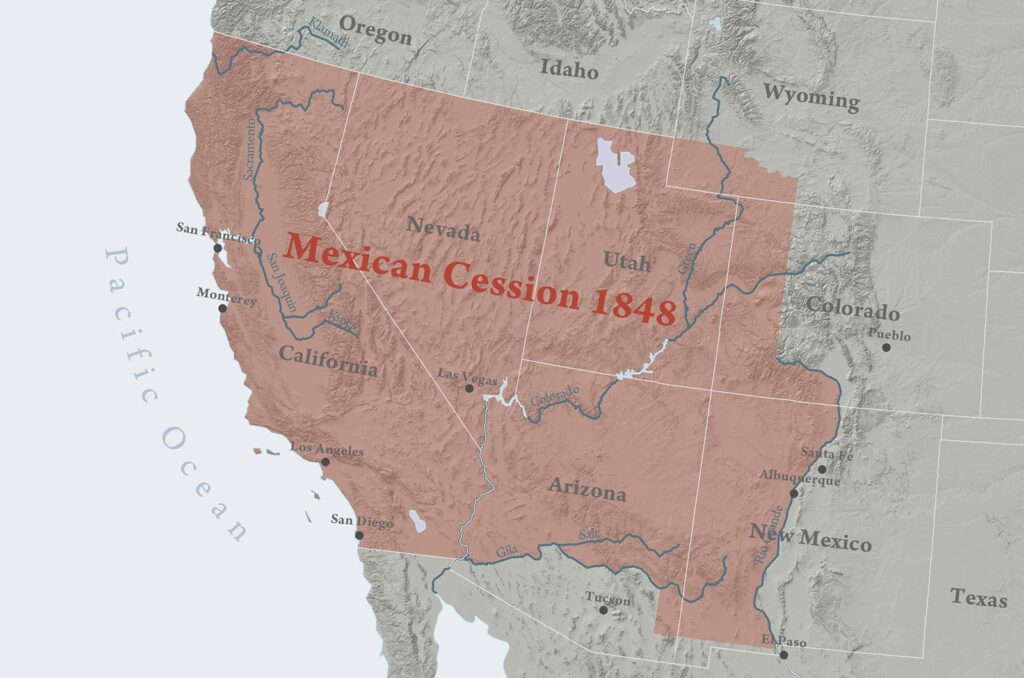
The war gave the United States more than 500,000 square miles of Mexican territory (Britannica). Of 78,718 U.S. troops, 13,283 died (Smithsonian National Museum of American History), most of them from disease (Britannica). Mexican military and civilian deaths were never reliably counted; we have not found an official figure good enough to print.
Empire overseas: Spain and the Philippines, 1898–1902
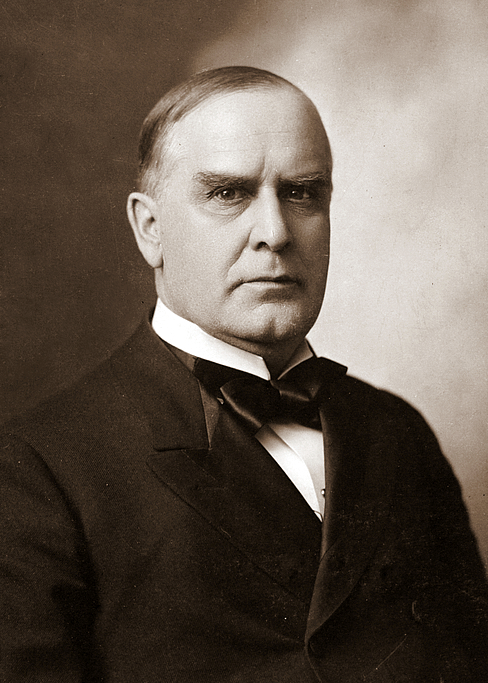
The pretext for war with Spain came when the battleship USS Maine “exploded and sank in Havana harbor under mysterious circumstances on February 15, 1898.” The cause was never proved, but war followed within months. The peace treaty handed Guam, Puerto Rico and the Philippines to the United States (U.S. Office of the Historian).
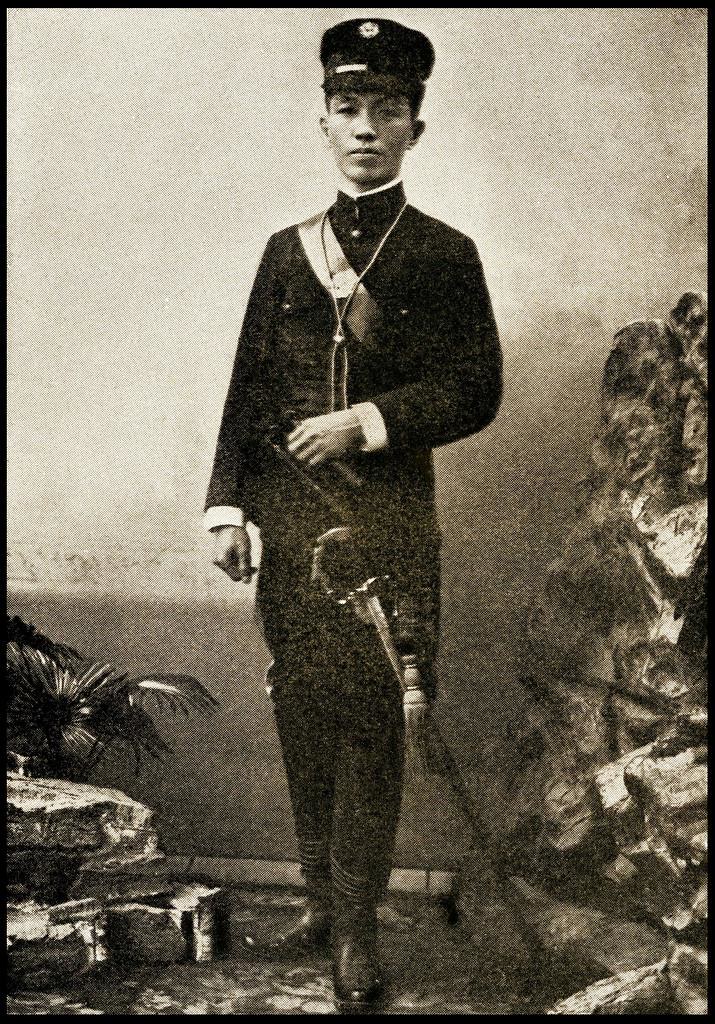
Filipino revolutionaries under Emilio Aguinaldo had already proclaimed an independent republic. When it became clear the U.S. intended colonial rule, fighting broke out in 1899 and became a guerrilla war (Office of the Historian).
- The methods: “U.S. forces at times burned villages, implemented civilian reconcentration policies, and employed torture on suspected guerrillas, while Filipino fighters also tortured captured soldiers and terrorized civilians who cooperated with American forces” (Office of the Historian).
- The toll: more than 4,200 American and more than 20,000 Filipino combatants died; “as many as 200,000 Filipino civilians died from violence, famine, and disease” (Office of the Historian). The civilian figure is an upper estimate.
The Cold War: coups and covert action
After 1945 the United States fought the Soviet Union mostly by proxy, and in several countries it helped overthrow governments it saw as threats. The deaths that followed were mostly at the hands of local forces, but U.S. involvement is now documented by U.S. records.
- Iran, 1953: a CIA internal history declassified in 2013 states that the coup that overthrew Prime Minister Mohammad Mosaddeq “was carried out under CIA direction as an act of U.S. foreign policy, conceived and approved at the highest levels of government.” The operation used propaganda, bribed members of parliament and organized demonstrations (Foreign Policy; National Security Archive).
- Guatemala, 1954: the CIA trained an exile force with a $3 million budget, and “intense American diplomatic and propaganda pressure” and air strikes by CIA contract pilots helped push President Jacobo Arbenz to resign (U.S. Office of the Historian). A civil war from 1960 to 1996 killed more than 200,000 people, 83 percent of them Maya; a UN-backed truth commission found state forces responsible for 93 percent of the abuses and cited U.S. training of officers as a contributing factor (PBS NewsHour, citing the Commission for Historical Clarification).
- Indonesia, 1965–66: the army and its allies killed “up to 500,000 alleged PKI supporters” and imprisoned up to a million more. Declassified files show U.S. diplomats kept track of which communist leaders were being executed and that U.S. officials “actively supported” the army’s campaign against the left (National Security Archive).
- Chile, 1973: the CIA found no evidence it took part in the coup itself, but it had tried to block Salvador Allende’s election in 1970, and it “actively supported the military Junta after the overthrow of Allende” (CIA Hinchey report to Congress, 2000). Under Pinochet, Chile’s 1991 Rettig Report found 2,296 people killed by security forces for political reasons and nearly 1,000 forcibly disappeared; a final review by the Valech Commission counted more than 40,000 victims of human rights violations from 1973 to 1990, most of them illegally detained and usually tortured (Amnesty International, citing Chile’s official commissions).
Vietnam and the Gulf of Tonkin
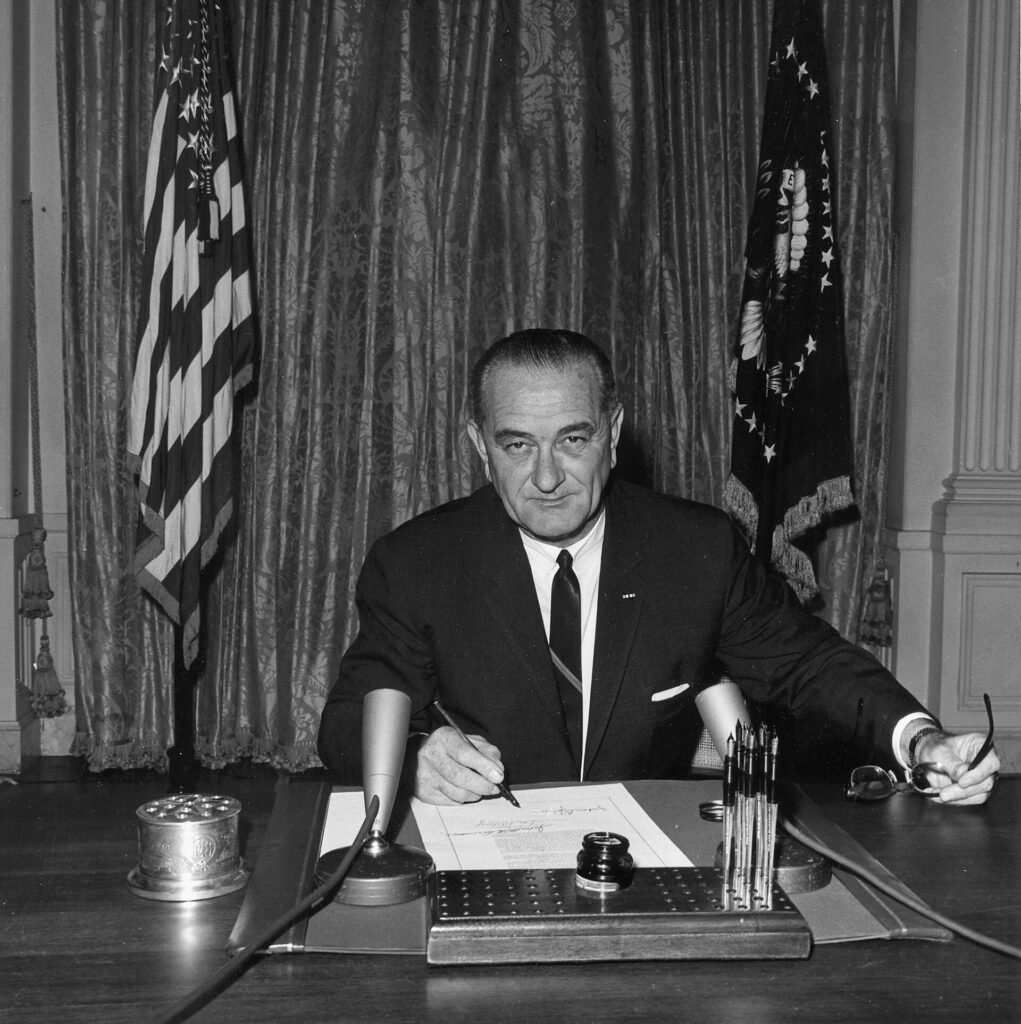
In August 1964 two U.S. destroyers reported attacks by North Vietnamese boats on August 2 and August 4. On August 7 Congress passed the Gulf of Tonkin Resolution, with two votes against in the Senate and none in the House; it “became the legal basis” for the war (U.S. Office of the Historian). The first attack happened. The second did not: a National Security Agency history, declassified in 2005, concluded “that no attack happened that night” and that analysts’ errors and the obscuring of other information had produced the “evidence” (Robert J. Hanyok, NSA Cryptologic Quarterly). Almost 90 percent of the relevant intercepts were left out of reports sent to the Pentagon and White House (Naval History magazine).
- U.S. dead: 58,220 military fatalities, 40,934 of them killed in action (National Archives).
- Vietnamese dead: in 1995 Vietnam’s government estimated as many as 2,000,000 civilians on both sides and about 1,100,000 North Vietnamese and Viet Cong fighters (Britannica). This is the Vietnamese government’s figure (a partisan source); Western estimates vary.
- My Lai, March 16, 1968: U.S. soldiers massacred villagers; Vietnam says 504 people were killed (Los Angeles Times). Vietnam’s count.
How expansion was sold
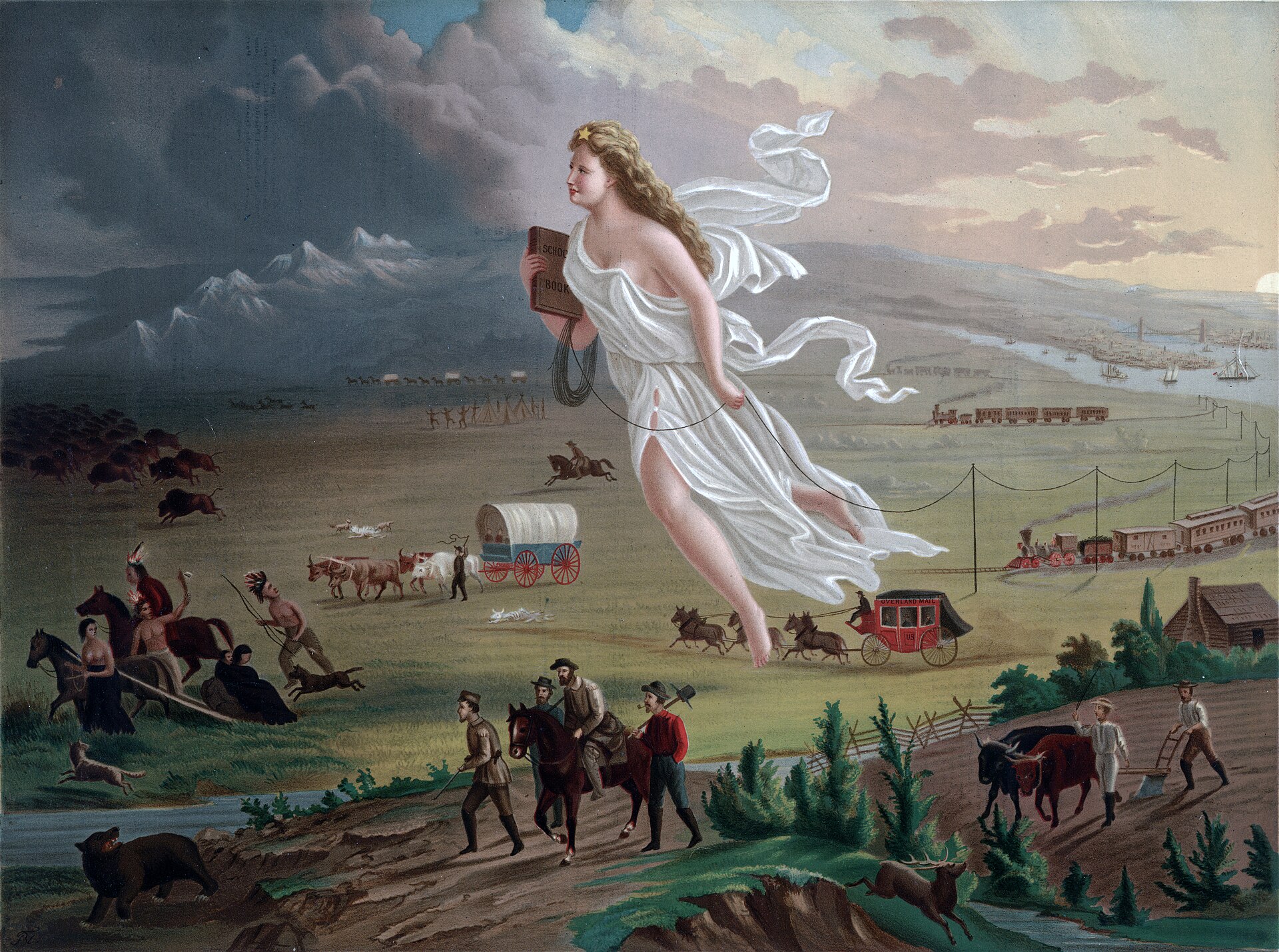
The stories were consistent. Expansion was destiny “allotted by Providence” (Britannica), and paintings like John Gast’s showed it as civilization moving west. Removal was carried out under treaties signed by a minority faction (NPS). A massacre was reported as a battle (Britannica). War with Mexico began after troops were sent into disputed land (Office of the Historian). Wars began after an unexplained explosion and an attack that never happened (Office of the Historian; NSA). Covert operations were denied for decades: the CIA first formally acknowledged its role in Iran in 2013 (Foreign Policy).
What makes the American story different from some others in this series is that its own institutions eventually documented these facts. The State Department’s historians, the Park Service, the NSA and the CIA itself are among the sources above. That came late and only after pressure, and the dead were not brought back by it.
Why it matters
The United States was founded on ideals of liberty and self-government, and for much of its history it denied them to Native nations, enslaved people and countries in its way. Both things are true. Knowing how removal, slavery and intervention were justified, and who paid for them, is part of taking those ideals seriously.
Patterns to recognize (analysis)
Analysis and opinion. Tactics from American history that are worth recognizing anywhere:
- Coerced or unrepresentative agreements presented as consent.
- Sending forces into disputed ground and treating the clash that follows as the other side’s aggression.
- A pretext incident, unexplained or false, used to rush a war vote.
- A providential or civilizing mission used to justify taking land from people already living on it.
- Calling a massacre a battle, and rewarding the people who carried it out.
- Collective punishment: burning villages and moving civilians into camps to defeat guerrillas.
- Covert action and denial: overthrowing a government while publicly disowning it.
These are general warning signs drawn from the history above. They describe tactics, not any modern party or person.
Bottom line: The United States expanded through coerced treaties, forced removal, war and covert action, and kept nearly 4 million people enslaved by 1860. The documented tolls range from about 230 people at Sand Creek to an estimated 620,000 soldiers in the Civil War and up to 200,000 Filipino civilians, and several wars began with pretexts later shown to be doubtful or false, much of it confirmed by the U.S. government’s own historians and archives.
The Rise to Power series
How empires and states took power and kept it, told with the same standards for each: propaganda and pretexts, violence, sourced death tolls, and patterns to recognize.
- Rome: Caesar, Augustus and the Fall of the Republic
- The Ottoman Empire: Conquest, the Devshirme and the Fratricide Law
- The USSR: Lenin, Stalin, the Terror, the Famine and the Gulag
- The United States: Removal, Slavery, Expansion and Intervention (you are here)
- Mao’s China: The Great Leap Famine and the Cultural Revolution
Label key
- ✅ Confirmed An official record, or two or more independent outlets, agree.
- ❓ Unconfirmed Reported or claimed, but not yet independently verified.
- ⚠️ Disputed Contradicted by the evidence or by credible sources, or actively contested.
- Factual Straight reporting that holds up across outlets on different sides.
 Leans Left The facts hold, but the coverage tilts left: one-sided, loaded language, missing context or a single anonymous source.
 Leans Right The facts hold, but the coverage tilts right: one-sided, loaded language, missing context or a single anonymous source.
 Likely Propaganda State-run or state-aligned media, a militant press office, a partisan campaign or group, or unverifiable spin.
Each story gets one confidence tag and one source-lean label, plus a one-line Lean note explaining the call. Every side is held to the same standard. More on how we cover the news.
Sources
- U.S. Office of the Historian, Indian Treaties and the Removal Act of 1830 (Factual)
- National Park Service, Trail of Tears: History and Culture (Factual)
- USC Shoah Foundation, Benjamin Madley lecture summary (An American Genocide) (Factual)
- UCLA Newsroom, Revealing the history of genocide against California’s Native Americans (Factual)
- National Park Service, Sand Creek Massacre: History and Culture (Factual)
- Britannica, Wounded Knee Massacre (Factual)
- National Park Service, Bigfoot Pass Overlook (Factual)
- National Park Service, The Middle Passage (Factual)
- U.S. Census Bureau, History: Abraham Lincoln (1810 and 1860 census counts) (Factual)
- U.S. Census Bureau, History: Juneteenth (Factual)
- American Battlefield Trust, Civil War Casualties (Factual)
- NAACP, History of Lynching in America (Leans Left)
- Britannica, Manifest Destiny (Factual)
- U.S. Office of the Historian, The Annexation of Texas, the Mexican-American War, and the Treaty of Guadalupe-Hidalgo (Factual)
- Britannica, Mexican-American War (Factual)
- Smithsonian National Museum of American History, The Price of Freedom: Mexican War (Factual)
- U.S. Office of the Historian, The Spanish-American War, 1898 (Factual)
- U.S. Office of the Historian, The Philippine-American War, 1899–1902 (Factual)
- Foreign Policy, “CIA Admits It Was Behind Iran’s Coup” (2013) (Factual)
- National Security Archive, CIA Confirms Role in 1953 Iran Coup (Factual)
- U.S. Office of the Historian, Foreign Relations of the United States: Guatemala editorial note (Factual)
- PBS NewsHour, Timeline: Guatemala’s Brutal Civil War (Factual)
- National Security Archive, U.S. Embassy Tracked Indonesia Mass Murder 1965 (Factual)
- CIA, Report to Congress on CIA Activities in Chile (Hinchey report, 2000) (Factual)
- Amnesty International, Augusto Pinochet’s Chile: Facts and figures (2013) (Leans Left)
- U.S. Office of the Historian, The Gulf of Tonkin and Escalation, 1964 (Factual)
- Robert J. Hanyok, “Skunks, Bogies, Silent Hounds, and the Flying Fish,” NSA Cryptologic Quarterly (declassified 2005) (Factual)
- Naval History magazine (U.S. Naval Institute), “The Truth About Tonkin” (2008) (Factual)
- National Archives, Vietnam War U.S. Military Fatal Casualty Statistics (Factual)
- Britannica, How many people died in the Vietnam War? (archived) (Factual)
- Los Angeles Times, “Vietnamese Look Beyond My Lai Horror” (1995) (Factual)
Featured image: American Progress, by John Gast (1872), by John Gast. Public domain, via Wikimedia Commons. See all image credits.